
It starts with a sound in the wall at 2 AM. Or a line of tiny ants crossing your kitchen counter. Or that moment you pull back your couch cushion and find something you wish you hadn’t.
New York is one of the greatest cities in the world, but it’s also one of the most pest-friendly environments on the planet. The combination of dense housing, aging infrastructure, year-round humidity, and millions of people living in proximity creates perfect conditions for pests to thrive, multiply, and spread from unit to unit faster than most people realize.
If you live in New York City or Long Island, understanding the most common pests in New York homes is the first step toward protecting your family, your property, and your peace of mind.
Why New York Homes Are So Vulnerable to Pest Infestations
Before diving into the specific pests, it’s helpful to understand why New York is a hotspot for household infestations.
A 2022 report by the NYC Department of Health confirmed that the city receives tens of thousands of pest-related complaints every year, with rodents, cockroaches, and bed bugs consistently topping the list. New York’s pre-war apartment buildings, brownstones, and row houses are filled with wall voids, aging pipes, and structural gaps that give pests highways to travel between units undetected.
Long Island’s suburban homes face a different but equally serious challenge. Wooded surroundings, large yards, and proximity to water create ideal breeding grounds for mosquitoes, ticks, termites, and wildlife that find their way indoors as seasons change.
The bottom line is that, whether you live in a Manhattan high-rise, a Brooklyn brownstone, a Queens row house, or a Long Island colonial, common pests in New York homes are a reality you are almost certainly going to deal with at some point.
1. Bed Bugs: New York’s Most Notorious Pest
If there is one pest that defines New York City’s pest problem, it is the bed bug. According to Orkin’s 2024 Bed Bug Cities Report, New York City has ranked in the top five most bed bug-infested cities in America for over a decade.
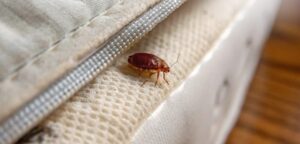
Bed bugs are small, reddish-brown insects that feed on human blood while you sleep. They hide inside mattress seams, behind headboards, inside electrical outlets, and along baseboards, emerging at night to feed and retreating before morning.
Why they spread so fast in NYC: In apartment buildings, bed bugs travel through wall voids, shared laundry facilities, and secondhand furniture. A single infested unit can spread bed bugs to three or four neighboring units within weeks.
Signs you have bed bugs:
- Small red or brown stains on your sheets
- Itchy welts appearing in lines or clusters on your skin
- A sweet, musty odor in the bedroom
- Tiny shed skins along mattress seams
What actually works: Professional heat treatment is the gold standard for bed bug elimination in NYC, killing bugs and eggs in a single visit without chemicals. Chemical treatment works for early-stage infestations but requires multiple visits.
2. Cockroaches: The Apartment Invader
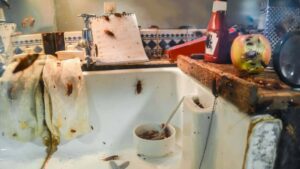
Ask any New Yorker, and they will tell you that cockroaches are part of the city’s unofficial wildlife. The German cockroach is by far the most common species found inside New York homes and apartments. In contrast, the American cockroach, known locally as the water bug, is frequently found in basements, subways, and building pipe chases.
A study published in Scientific Reports found that German cockroaches in urban environments have developed cross-resistance to multiple classes of insecticides, meaning standard sprays are becoming less effective, especially in NYC apartments where cockroaches have been exposed to pesticides for generations.
Why cockroaches are dangerous: Beyond being unsettling, cockroaches spread bacteria, including Salmonella and E. coli, trigger asthma attacks, particularly in children, and contaminate food preparation surfaces. The World Health Organization classifies cockroaches as a serious public health concern.
Signs of a cockroach infestation:
- Seeing live roaches, especially during daylight hours
- Small dark droppings resembling coffee grounds
- A musty, oily odor in kitchen cabinets
- Egg cases behind appliances or under sinks
What actually works: Gel baiting combined with structural void treatments is far more effective than spray-only approaches for NYC cockroach infestations. Professional pest control targeting the entire colony, not just visible bugs, is essential.
3. Rodents: Rats and Mice in New York Homes
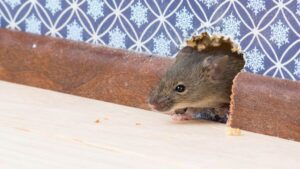
New York City’s rat problem is legendary, and for good reason. The city is estimated to have millions of rats living in its sewer systems, subway tunnels, and building foundations. But rats and mice are not just an outdoor problem. They regularly find their way into homes and apartments through gaps as small as a quarter inch.
A 2023 NYC Mayor’s Office of Rodent Control report confirmed that rodent complaints have increased significantly over the past five years, with Brooklyn, the Bronx, and Queens showing the highest concentration of residential rodent activity.
The damage rodents cause: Rodents chew through electrical wiring, a leading cause of unexplained house fires, gnaw through insulation, contaminate food supplies, and carry diseases, including leptospirosis and hantavirus. A single mouse can produce up to 50 droppings per day inside your home.
Signs of rodent activity:
- Droppings along walls, under sinks, or in cabinets
- Gnaw marks on food packaging or baseboards
- Scratching or scurrying sounds inside the walls at night
- Grease marks along baseboards from repeated rodent travel paths
What actually works: Professional rodent control involves far more than setting traps. Effective treatment requires a full property inspection to find entry points, structural sealing, targeted baiting systems, and monitoring, all of which require professional expertise to execute correctly.
4. Termites: The Silent Destroyer
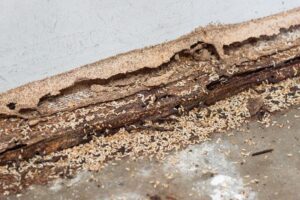
Termites are among the most underestimated pests in New York homes, particularly in Long Island and outer-borough neighborhoods with older wooden structures.
According to the U.S. Department of Agriculture, termites cause an estimated $5 billion in property damage across the United States every year. Subterranean termites, the most common species in New York, build colonies underground and access structures through mud tubes along foundations and walls.
The terrifying part about termites is how long they can remain hidden. A colony can quietly destroy the structural integrity of your home for years before any visible signs appear.
Signs of termite activity:
- Mud tubes along your foundation or basement walls
- Wood that sounds hollow when tapped
- Discarded wings near windowsills in spring
- Soft or sagging floors without an obvious cause
- Small piles of what looks like sawdust near wooden structures
What actually works: Professional termite inspection and treatment using targeted baiting systems and liquid termiticides is essential. This is not a pest you can treat with over-the-counter products. Early detection through annual professional inspections is the best investment Long Island and outer borough homeowners can make.
5. Ants: More Than Just a Nuisance
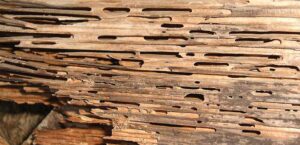
Ants might seem like a minor inconvenience compared to bed bugs or rodents, but certain ant species found in New York homes cause serious problems. Carpenter ants are the biggest concern; they excavate wood to build nests, causing structural damage over time that is similar to termites.
Pavement ants, odorous house ants, and pharaoh ants are also extremely common in NYC apartments and Long Island homes, particularly during warm months when colonies send out foraging workers searching for food and water.
Why are ant infestations hard to solve with DIY methods? Store-bought ant sprays kill foraging workers but do nothing to the queen or the colony. As long as the colony survives, new foragers keep appearing. Professional treatment targets the colony directly using bait that worker ants carry back to the nest.
Signs of an ant problem:
- Trails of ants leading to food sources in your kitchen
- Small piles of wood shavings near door frames or window sills are a sign of carpenter ants
- Ants appear consistently in the same areas despite cleaning
6. Mosquitoes and Ticks: Outdoor Pests That Come Indoors

For Long Island residents and homeowners in Queens, Staten Island, and the Bronx with yards and outdoor spaces, mosquitoes and ticks are serious seasonal concerns that go beyond simple annoyance.
The NYC Department of Health monitors West Nile Virus activity every summer across all five boroughs. Mosquitoes carrying this virus are consistently detected in New York from June through October. Meanwhile, Long Island’s wooded areas and parks are known tick habitats, and Lyme disease cases in Nassau and Suffolk County are among the highest in New York State, according to the New York State Department of Health.
What actually works: Professional barrier spray treatments applied to yard vegetation, shrubs, and shaded areas significantly reduce mosquito and tick populations throughout the season. For Long Island properties with heavy vegetation, quarterly treatments provide the most reliable protection.
7. Silverfish and Stored Product Pests
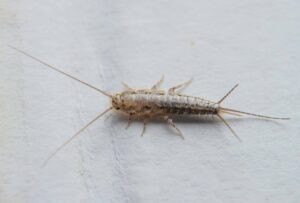
Less dramatic but equally frustrating, silverfish are extremely common in New York apartments, particularly in older buildings with high humidity levels. They feed on paper, wallpaper glue, clothing, and pantry goods, causing damage that adds up over time.
Pantry pests, including flour beetles, weevils, and Indian meal moths, are also frequently encountered in NYC homes, often introduced through infested grocery items and spreading quickly through dry food storage.
Signs you have silverfish:
- Small yellowish scales on books, wallpaper, or clothing
- Tiny, irregular holes chewed in paper or fabric
- Seeing the fast-moving, fish-shaped insects in bathrooms or basements at night
Seasonal Pest Calendar for New York Homes
Understanding when different pests are most active helps with prevention:
Spring: Termite swarms begin, ants become active, and stinging insects start building nests
Summer: Mosquitoes and ticks peak, cockroach activity increases with heat and humidity, and fly populations rise
Fall: Rodents begin moving indoors seeking warmth, stink bugs and other overwintering pests enter homes
Winter: Rodent activity peaks indoors, bed bug transmission continues year-round regardless of season
Don’t Wait for a Small Problem to Become a Big One
One pattern that pest control professionals in New York see constantly is that residents wait too long before calling for help. A handful of cockroaches becomes a full infestation. A mouse becomes a family of mice. A few bed bugs in one room spread throughout an entire apartment.
Research from the National Pest Management Association consistently shows that early professional intervention is significantly less costly and less disruptive than treating an advanced infestation. The sooner you act, the faster and more affordable the solution will be.
Pestonix: Professional Pest Control Across New York City and Long Island
At Pestonix, we handle all common pests in New York homes, from bed bugs and cockroaches to rodents, termites, and mosquitoes. Our licensed technicians know New York’s unique pest challenges inside and out, and every treatment plan is built around your specific property and situation.
We serve residents and businesses across:
- Pest Control Services in Brooklyn, New York: Flatbush, Bushwick, Crown Heights, Bay Ridge, Bed-Stuy
- Pest Control Queens NY: Flushing, Jamaica, Astoria, Forest Hills, Jackson Heights
- Pest Control Manhattan, NY: Harlem, Midtown, Upper East Side, Hell’s Kitchen, Financial District
- Pest Control in Bronx: Fordham, Riverdale, Co-op City, Mott Haven, Pelham Bay
- Pest Control in Long Island: Nassau County, Suffolk County, Melville, Hempstead, Babylon, Islip
Call Pestonix at 917-913-6062 or visit pestonix.com to schedule your free inspection today. Same-day service available across all locations.
Frequently Asked Questions
What is the most common pest found in NYC apartments?
Cockroaches and bed bugs are consistently the most reported pests in New York City apartments, followed closely by rodents.
How do I know if I have a pest infestation or just an occasional visitor?
Seeing a single insect does not always indicate an infestation. However, repeated sightings, droppings, damage to food or property, and unexplained bites are all signs that a professional inspection is needed.
Are pest problems worse in older NYC buildings?
Yes. Pre-war buildings and older brownstones have more structural gaps, aging pipes, and wall voids that give pests easy access and travel routes between units.
How often should I have my home inspected for pests in New York?
Most pest control professionals recommend a professional inspection at least once per year for standard prevention. Properties with a history of infestation or located in high-risk areas benefit from quarterly monitoring.
Does my landlord in NYC cover pest control?
In New York City, landlords are legally required to address pest problems in rental properties. However, response times and treatment quality vary widely. Pestonix works directly with both tenants and landlords to resolve infestations quickly.
Pestonix serves Brooklyn, Queens, Manhattan, Bronx, Long Island, Nassau County, Suffolk County, and Melville, NY. Call 917-913-6062 for a free pest inspection.