

Most New Yorkers breathe a quiet sigh of relief when temperatures drop in November. Mosquitoes disappear. Flies vanish. The outdoor pest season feels like it is finally over. But here is the truth that pest control professionals across New York City and Long Island know all too well: winter does not end your pest problem. It just changes it. As soon as outdoor temperatures begin to fall, pests that have been living outside your home all summer start looking for somewhere warm to spend the winter. And your home, with its heat, food, water, and shelter, is exactly what they are looking for. Winter pest control is not something most New York homeowners think about until they hear scratching in the walls at midnight in January. By then, the problem is already established and significantly harder to resolve.
This guide covers everything you need to know about winter pests in New York homes, why they are more common than most people realize, and what you can actually do to keep them out.
Why Winter Is Actually a Critical Time for Pest Control in New York
There is a widespread misconception that pest control is a concern only in spring and summer. The reality is that winter creates a specific and serious set of pest challenges for New York City and Long Island residents that are completely different from warm-weather infestations.
According to the National Pest Management Association, rodent infestations spike dramatically during fall and winter months as mice and rats seek warmth indoors. Their annual survey found that 21 million American homes are invaded by rodents every winter, and New York’s dense urban environment makes it one of the highest-risk areas in the country.
Beyond rodents, cockroaches become more concentrated in heated spaces during winter, bed bugs continue spreading year-round regardless of outdoor temperature, and several overwintering insect species find their way inside as the cold sets in.
Understanding winter pest control means understanding that the battle does not pause when the calendar hits December; it simply shifts to a new front.
The Most Common Winter Pests in New York Homes
1. Rats and Mice: The Winter Invaders
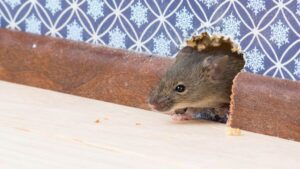
If there is one pest that defines winter pest control in New York City, it is the rodent. New York’s rat population is estimated in the millions. As outdoor food sources disappear and temperatures plummet, rats and mice begin actively searching for entry points into homes, apartments, and commercial buildings.
A mouse can squeeze through a gap the size of a dime. A rat can fit through an opening the size of a quarter. In New York’s aging housing stock, filled with gaps around pipes, cracks in foundations, and deteriorating weatherstripping, entry points are everywhere.
Research from the NYC Mayor’s Office of Rodent Control shows that rodent-related complaints in New York City consistently peak between October and February, with Brooklyn, the Bronx, and Queens showing the highest concentration of winter rodent activity.
The damage winter rodents cause: Rodents chew through electrical wiring, insulation, and structural materials. They contaminate food storage areas with droppings and urine. They carry pathogens including Salmonella, Leptospirosis, and hantavirus. A single mouse produces up to 50 droppings per day inside your home, and a pair of mice can produce a family of dozens within weeks.
Signs of winter rodent activity:
- Scratching or scurrying sounds inside walls or ceilings at night
- Droppings along baseboards, under sinks, or near food storage
- Gnaw marks on food packaging, baseboards, or wiring
- Grease marks along walls from repeated rodent travel paths
- A musky, unpleasant odor in enclosed spaces
Winter pest control for rodents: Effective winter rodent control requires three things working together: sealing all entry points, eliminating food and water sources, and deploying professional baiting and trapping systems. Traps alone, without sealing entry points, are a temporary fix. The rodents will keep coming.
2. Cockroaches: Concentrated and Harder to Eliminate in Winter
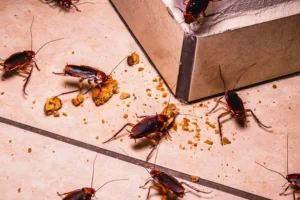
Here is something that surprises many New York residents: cockroach infestations often feel worse in winter, not better.
The reason is simple. During warmer months, cockroach populations are spread across both indoor and outdoor environments. When temperatures drop, outdoor roach populations die off or go dormant, and the cockroaches living in wall voids, sewers, and building infrastructure concentrate heavily in heated spaces, such as your kitchen, bathroom, and any area with pipes.
The German cockroach, by far the most common species in NYC apartments, thrives in heated indoor environments year-round. A 2019 study in Scientific Reports confirmed that urban cockroach populations have developed resistance to multiple classes of pesticides, making professional-grade treatment significantly more effective than store-bought sprays during winter months when populations are concentrated.
Signs of winter cockroach activity:
- Seeing roaches during daylight hours is a sign of heavy infestation
- Dark droppings resembling ground pepper near appliances
- Egg cases behind refrigerators, under sinks, or inside cabinets
- A musty, oily odor in the kitchen and bathroom areas
Winter pest control for cockroaches: Winter is actually an excellent time to treat cockroach infestations professionally because populations are concentrated indoors and easier to target. Gel baiting combined with void treatments delivers the best results during cold months.
3. Bed Bugs: Year-Round Regardless of Season
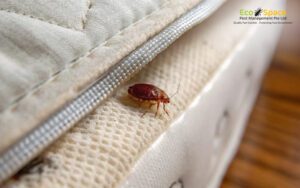
Bed bugs are unique among common New York pests because they are completely unaffected by outdoor temperature. They live entirely indoors, feeding on human blood, and their activity does not decrease at all during winter.
What does change in winter is the behavior that spreads them. Holiday travel, visiting relatives, purchasing secondhand furniture during winter sales, and guests staying overnight all create opportunities for bed bugs to move from one location to another.
According to research from Rutgers University, bed bug infestations in multi-unit housing spread most aggressively when resident movement increases, exactly the pattern seen during the holiday season in New York City.
Signs of bed bug activity:
- Waking up with red, itchy welts in lines or clusters
- Small blood stains or dark spots on bedding
- A sweet, musty odor in the bedroom
- Shed skins or live bugs along mattress seams
Winter pest control for bed bugs: Professional heat treatment remains the most effective solution year-round, killing bugs and eggs in a single visit. If you are traveling during the holidays, inspect hotel mattresses and luggage racks before settling in, and examine your luggage carefully before bringing it back inside your home.
4. Overwintering Insects: The Unexpected Winter Guests
Several insect species cope with New York winters by entering homes in late fall, entering a dormant state, and becoming active again once indoor heating warms them. These overwintering pests are especially common in Long Island and outer-borough homes with attics, wall voids, and crawl spaces.
Stink bugs have become increasingly common in New York and Long Island over the past decade. They enter homes through window frames, door gaps, and vents in the fall, and then cluster in walls and attics in large numbers. When disturbed or crushed, they release an unpleasant odor.
Cluster flies are another common overwintering pest in Long Island homes. They gather in attics and upper wall voids in the fall and can emerge in large numbers on warm winter days, appearing at windows and lights inside the home.
Boxelder bugs follow a similar pattern: they enter homes in the fall and become active during warmer winter days, often appearing in windows in large numbers.
According to a study published in the Journal of Economic Entomology, overwintering pest entry into homes increases significantly when exterior sealing is inadequate, a common issue in New York and Long Island’s older housing stock.
Winter pest control for overwintering insects: Prevention is the most effective strategy. Sealing entry points around windows, doors, vents, and utility penetrations before temperatures drop significantly reduces overwintering pest entry. For existing infestations inside wall voids and attics, professional vacuum removal and targeted treatments are the recommended approach.
5. Wildlife: Squirrels, Raccoons, and Bats
Long Island homeowners and residents in quieter outer-borough neighborhoods face an additional winter pest challenge that city apartment dwellers rarely encounter: wildlife intrusion.
As winter sets in, squirrels actively seek attic spaces for nesting and food storage. Raccoons access homes through deteriorating soffits and roof vents. Bats, which are legally protected in New York State, roost in attics and wall voids and can remain active on warm winter nights.
The damage wildlife causes inside homes is significant, from chewed wiring and torn insulation to structural damage and health concerns from droppings. The New York State Department of Environmental Conservation recommends professional wildlife exclusion as the safest and most effective approach, particularly for bat colonies, which require specific handling protocols under state law.
Winter Pest Control: Prevention Steps Every New York Homeowner Should Take
Understanding the threats is only half the battle. Here is what actually works for winter pest prevention in New York City and Long Island homes:
Seal entry points before winter arrives. Walk the perimeter of your home and look for gaps around pipes, cracks in the foundation, deteriorating weatherstripping, and gaps around window and door frames. Steel wool packed into rodent-sized gaps and caulked over is an effective immediate measure.
Eliminate indoor food and water sources. Rodents and cockroaches need food and water to survive indoors. Store dry goods in sealed containers, fix dripping faucets, ensure trash is stored in sealed bins, and eliminate clutter that provides harborage areas.
Inspect Firewood before bringing it inside Firewood stored against the exterior of your home is a prime harborage area for cockroaches, spiders, and overwintering insects. Inspect wood carefully before bringing it indoors, and store it away from the house when possible.
Check holiday decorations and boxes. Boxes stored in attics, basements, and storage units are prime nesting sites for cockroaches and rodents. Inspect holiday decoration boxes before bringing them into your main living areas.
Schedule a professional winter inspection. The most effective single step you can take is scheduling a professional pest inspection before winter is fully underway. A trained technician identifies entry points, harborage areas, and early-stage infestations that are not yet visible to the untrained eye, and resolves them before they become serious problems.
Why DIY Winter Pest Control Falls Short in NYC
The reality of DIY pest control in New York’s urban environment is that it addresses symptoms without resolving the underlying problem.
A mousetrap catches the mouse you can see. It does nothing about the entry point that let the mouse in, the food source that kept it there, or the other mice that followed the same path. Store-bought cockroach sprays kill foraging workers but leave the colony intact inside the wall.
Research from the National Pest Management Association consistently shows that professional pest control delivers significantly better long-term outcomes than DIY approaches, particularly in dense urban environments like New York City, where pest pressure from neighboring units and shared infrastructure is constant.
Winter is actually one of the best times to invest in professional pest control precisely because pest populations are concentrated, entry points are more visible without foliage, and resolving problems now prevents a significantly larger infestation from developing through spring.
Pestonix: Professional Winter Pest Control Across New York City and Long Island
At Pestonix, we provide comprehensive winter pest control services for homeowners, renters, and businesses across New York City and Long Island. Our licensed technicians understand the specific winter pest challenges facing New York properties, from sealing entry points and treating rodent infestations to targeted cockroach treatments and overwintering pest exclusion.
Every winter service begins with a thorough property inspection to identify what is already present, where pests are entering, and what conditions are attracting winter pests. We then build a targeted treatment and prevention plan around your specific situation.
We serve residents and businesses across:
- Pest Control Services in Brooklyn, New York, Flatbush, Bushwick, Crown Heights, Bay Ridge, Bed-Stuy
- Pest Control Queens NY, Flushing, Jamaica, Astoria, Forest Hills, Jackson Heights
- Pest Control Manhattan, NY, Harlem, Midtown, Upper East Side, Hell’s Kitchen, Financial District
- Pest Control in Bronx, Fordham, Riverdale, Co-op City, Mott Haven, Pelham Bay
- Pest Control in Long Island, Nassau County, Suffolk County, Melville, Hempstead, Babylon, Islip
Call Pestonix at 917-913-6062 or visit pestonix.com to schedule your free winter pest inspection today. Same-day service available across all locations.
Frequently Asked Questions About Winter Pest Control
Do pests really get worse in winter in New York?
Yes, particularly rodents and cockroaches. As outdoor temperatures drop, pests concentrate indoors in heated spaces, making winter infestations feel more intense than summer ones in many cases.
When should I schedule winter pest control in NYC?
The ideal time is October or November, before temperatures fully drop and pests have already established themselves indoors. However, professional treatment is effective at any point during winter.
Can bed bugs survive New York winters?
Yes. Bed bugs are completely unaffected by outdoor temperatures because they live entirely indoors. Winter travel and holiday gatherings actually increase the risk of bed bug spread.
How do I keep rats out of my NYC apartment this winter?
The most important steps are sealing entry points around pipes and baseboards, eliminating food sources, and scheduling a professional inspection. A professional can identify entry points you may have missed.
Is winter a good time for termite inspections in Long Island?
Yes. While subterranean termites are less active in winter, an inspection can still identify existing damage, mud tubes, and structural vulnerabilities before spring, when the termite swarm season begins.
How much does winter pest control cost in New York?
Cost depends on the type of pest, its severity, and the property’s size. Pestonix offers free inspections across all service areas. Call 917-913-6062 for a no-obligation quote.
Pestonix serves Brooklyn, Queens, Manhattan, Bronx, Long Island, Nassau County, Suffolk County, and Melville, NY. Call 917-913-6062 for a free winter pest inspection today.