

You spotted one cockroach near the kitchen sink last Tuesday. You told yourself it was just one. By Friday, there were three more along the baseboard. By the following week, you found droppings inside a cabinet you hadn’t opened in days. This is how it almost always starts in New York. People wait. They try the sprays from the hardware store. They clean obsessively. They convince themselves the problem is manageable. And while they wait, the infestation quietly doubles, spreads to neighboring rooms, and becomes increasingly difficult and expensive to treat. Knowing exactly when to call pest control is one of the most important things a New York City or Long Island resident can learn, because in this city, waiting almost always makes things worse.
This guide will walk you through every situation where picking up the phone and calling a professional exterminator is the right move. Not eventually. Right now.
Why New Yorkers Wait Too Long: and Why That’s a Problem
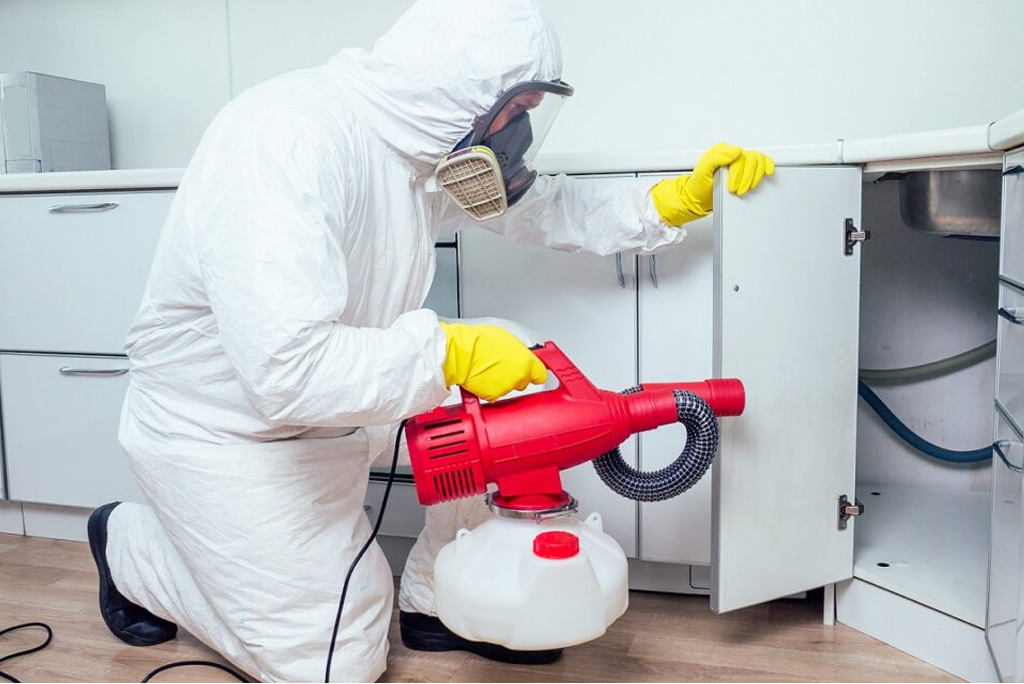
There is a specific mindset that develops when you live in New York for long enough. You get used to things. You normalize the abnormal. A mouse in the subway is background noise. A cockroach in a restaurant barely raises an eyebrow.
That same mindset, that urban grit, that toughness, works against you when pests enter your home.
A 2021 survey by the National Pest Management Association found that over 45% of homeowners attempted DIY pest control before calling a professional, and the majority reported that the problem either stayed the same or got worse before they finally called a professional.
In New York specifically, the consequences of waiting are amplified. Dense apartment buildings mean pests spread between units. Older building infrastructure means more entry points and hiding spaces. And New York’s pest populations- cockroaches, bed bugs, rodents- have developed resistance to many consumer-grade products through years of urban exposure.
The question is not whether pests will find their way into your New York home. The question is knowing when to call pest control before a small problem becomes a crisis.
Sign #1: You See Pests During the Day

This is one of the most reliable signals that it is time to call pest control, and most people miss what it actually means.
Cockroaches, rodents, and most common household pests are nocturnal. They feed and travel at night, hiding during daylight hours. When you start seeing them in broad daylight- a cockroach crossing your counter at noon, a mouse darting across the floor at 3 PM it almost always means one thing: the population has grown so large that there is not enough hiding space for all of them.
Nighttime sightings are concerning. Daytime sightings are urgent.
According to research from the University of Florida’s Institute of Food and Agricultural Sciences, daytime pest activity is a strong indicator of a well-established infestation that has likely been developing undetected for weeks or months.
Do not wait for a second daytime sighting. When to call pest control is the moment the first one appears in daylight.
Sign #2: You Find Droppings, Gnaw Marks, or Physical Evidence
Seeing the pest itself is obvious. But physical evidence left behind is just as important, and often appears long before you spot a live insect or rodent.
Rodent droppings look like small dark grains of rice and appear along baseboards, under sinks, behind appliances, and inside cabinets. A single mouse produces between 50 and 75 droppings per day according to the CDC. If you are finding droppings in multiple locations, the population is already significant.
Gnaw marks on food packaging, wooden furniture, or baseboards indicate the presence of active rodents. Rodents gnaw constantly to manage their continuously growing teeth; fresh gnaw marks appear lighter in color.
Cockroach evidence includes dark smear marks along walls, egg cases tucked into corners, and a distinctive musty, oily odor in kitchen areas.
Bed bug evidence includes rust-colored stains on sheets, shed skins along mattress seams, and tiny dark spots of bed bug excrement on your mattress or headboard.
Any of this physical evidence, even without a live sighting, is a clear signal of when to call pest control immediately.
Sign #3: You Have Been Bitten or Stung Inside Your Home
Waking up with unexplained bites is one of the most distressing experiences a New York resident can have, and one of the clearest indicators that professional help is needed without delay.
Bed bug bites typically appear in lines or clusters on exposed skin, arms, neck, shoulders, and legs. They are itchy, raised, and often appear overnight. However, not everyone reacts visibly to bed bug bites, which is why a professional inspection should always confirm physical evidence of the bugs themselves.
Flea bites appear around ankles and lower legs, often in random clusters. Fleas can enter your home through pets or by contact with an infested area, even if there’s no pet in your home at all.
Wasp or yellow jacket stings occurring inside or immediately around your home indicate an active nest nearby, a situation that becomes genuinely dangerous if the nest is disturbed.
In any of these situations, knowing when to call pest control is simple: make the call the moment unexplained bites appear.
Sign #4: You Hear Sounds Inside Your Walls or Ceiling
Scratching. Scurrying. Squeaking. The sounds that wake you up at 2 AM and keep you staring at the ceiling.
In New York City and Long Island homes, these sounds almost always indicate rodents, rats, or mice that have established nesting spots in wall voids, ceiling cavities, or under your floors. Squirrels and other wildlife can also take up residence in attic spaces, particularly in Long Island’s suburban homes with roof access points.
Rodent sounds tend to be most active at night when the house is quiet. If you are hearing consistent movement inside your walls, not occasionally but regularly, the nest is already established. A single pregnant mouse can give birth to a litter of six to eight pups every three weeks, according to Rutgers University Extension research. An ignored nest grows exponentially.
This is the absolute time to call pest control, not next week, not after you check a few traps, but now.
Sign #5: DIY Treatments Have Not Worked
Let’s be direct about over-the-counter pest control products: they are designed to manage very minor pest presence, not treat active infestations.
Consumer sprays, baits, and traps available at hardware stores contain significantly lower concentrations of active ingredients than professional-grade products. They kill what they directly contact but rarely reach the source of the infestation, the nest, the colony, or the hidden population breeding inside your walls.
A 2020 study in the Journal of Economic Entomology confirmed that consumer-grade pyrethroid sprays had less than 30% efficacy against established urban cockroach populations, which have developed resistance through repeated exposure.
If you have used store-bought products and the problem persists after 2 weeks or returns within a month, that is a clear sign to call pest control. You are not failing. The product is not designed for what you are dealing with.
Sign #6: You Are Seeing Pests in Multiple Rooms
A single pest sighting in one specific area could indicate a random entry. Pest activity appearing in multiple separate areas of your home tells a very different story.
When cockroaches appear in both the kitchen and the bathroom, it indicates that the population has grown large enough to spread beyond the original harborage area. When you find mouse droppings in the bedroom and the kitchen, the infestation has become widespread.
Multiple-room pest activity almost always means the infestation has been present and growing for a significant period. This is not a situation where consumer products or partial treatments will work. A professional inspection of the entire property is needed to understand the full scope of the problem, and it must be done quickly before the problem spreads further.
Sign #7: You Spot Structural Damage That You Cannot Explain
Wood shavings appearing near door frames or baseboards with no renovation or construction activity in your home. Soft spots in wooden flooring. Small holes in drywall at floor level. Paint bubbling from walls with no moisture source.
These unexplained structural changes are often pest-related and indicate infestations that have been present long enough to cause measurable damage.
Carpenter ants excavate wood to build galleries for their colonies. Termites consume wood from the inside, leaving hollow-sounding structures and damaged support beams. Rodents gnaw through walls and insulation to create nesting pathways.
The USDA estimates that termites and carpenter ants together cause over $6 billion in property damage in the United States annually, the vast majority of which occurs in properties where infestations were not caught early enough.
If you notice unexplained structural changes in your home, this is absolutely the time to call pest control, and specifically request a structural pest inspection.
Sign #8: You Are Moving Into a New Home or Apartment
This is the sign most New Yorkers never think about, and one of the most important.
Moving into a new apartment or home in New York City or Long Island without a professional pest inspection is a risk that thousands of residents regret every year. Previous tenants may have had untreated bed bug infestations. Rodent entry points left unaddressed by the previous occupant remain and await attention. Cockroach populations hiding inside wall voids do not leave just because new tenants move in.
A pre-move-in professional inspection is a small investment that can save you from inheriting a serious pest problem that can take months and cost significant money to resolve.
This applies equally to Long Island homeowners purchasing older properties — a professional pest and termite inspection before closing is one of the most important checks you can make.
Sign #9: Your Neighbors Have Reported Pests
In New York City apartment buildings, your neighbor’s pest problem is your pest problem; it is just a matter of time.
Bed bugs, cockroaches, and rodents travel freely through shared walls, plumbing chases, and electrical conduits. A confirmed infestation in an adjacent unit or on the same floor means your unit is at elevated risk regardless of how clean or careful you are.
This is exactly when to call pest control for a preventive inspection, not to wait until you see evidence in your own apartment, but to get ahead of the spread before it reaches you.
NYC housing law requires landlords to address pest infestations in multiple-unit buildings. Still, proactive residents who arrange their own professional inspection get faster results and more control over the treatment process.
Sign #10: Pest Season Is Starting, and You Have Had Problems Before
If your home or apartment has had a pest issue in a previous year, even one that seemed fully resolved, the start of pest season is exactly when to call pest control for a preventive inspection.
In New York, pest activity follows predictable seasonal patterns. Rodents move indoors in October and November. Cockroach populations explode in summer heat and humidity. Mosquitoes and ticks peak between June and September on Long Island. Termite swarms begin in spring.
Preventive inspection and treatment at the start of each relevant season is far less disruptive and less expensive than dealing with a full infestation that develops because last year’s entry points were never properly sealed.
When to Call Pest Control vs When to Handle It Yourself
Not every pest sighting requires an immediate call to an exterminator. Here is an honest breakdown:
Handle it yourself when:
- You see a single ant or fly with no additional evidence
- A spider appears once with no recurring sightings
- A moth enters through an open window once
Call a professional when:
- Any of the ten signs above are present
- You see any bed bugs whatsoever: there is no such thing as a minor bed bug problem
- You see a rat or evidence of rats: rodent populations grow fast
- You have found termite evidence: structural damage progresses silently
- Your DIY treatment has not worked within two weeks
Pestonix: Fast, Professional Pest Control Across New York City and Long Island
At Pestonix, we understand that knowing when to call pest control is only half the battle; the other half is having a team you can trust to respond fast and solve the problem completely.
Our licensed technicians serve homeowners, renters, and businesses across all of New York City and Long Island with same-day inspections, professional treatments, and a 3-Month No-Pest Guarantee on every service.
We serve residents across:
- Pest Control Services in Brooklyn, New York — Flatbush, Bushwick, Crown Heights, Bay Ridge, Bed-Stuy
- Pest Control Queens NY — Flushing, Jamaica, Astoria, Forest Hills, Jackson Heights
- Pest Control Manhattan NY — Harlem, Midtown, Upper East Side, Hell’s Kitchen, Financial District
- Pest Control in Bronx — Fordham, Riverdale, Co-op City, Mott Haven, Pelham Bay
- Pest Control in Long Island — Nassau County, Suffolk County, Melville, Hempstead, Babylon, Islip
Call Pestonix at 917-913-6062 to book your free inspection today. Same-day service available across all locations.
Frequently Asked Questions
How do I know if I need a pest control professional or can handle it myself? If you have seen the same pest more than once, found physical evidence such as droppings or damage, or tried a store-bought product without success, it is time to call a professional. When in doubt, a free inspection costs nothing and tells you exactly what you are dealing with.
How quickly should I call pest control after seeing a pest? For bed bugs and rodents, call the same day; for cockroaches that appear repeatedly, call within 48 hours. For single insect sightings with no additional evidence, monitor for a week before calling.
Can I stay in my home during pest control treatment? In most cases, yes. Pestonix uses family-safe and pet-safe treatments. For certain interior chemical applications, we recommend leaving for 1 to 2 hours. Your technician will advise you specifically before every treatment.
How much does a professional pest inspection cost in NYC? Pestonix offers free inspections across all service areas. Call 917-913-6062 to schedule yours today.
What if my landlord is responsible for pest control in my NYC apartment? In New York City, landlords are legally required to address pest infestations in rental properties. However, if your landlord is slow to respond, Pestonix can work directly with both you and your property manager to resolve the issue quickly.
Pestonix serves Brooklyn, Queens, Manhattan, Bronx, Long Island, Nassau County, Suffolk County, and Melville, NY. Call 917-913-6062 for a free same-day pest inspection.