
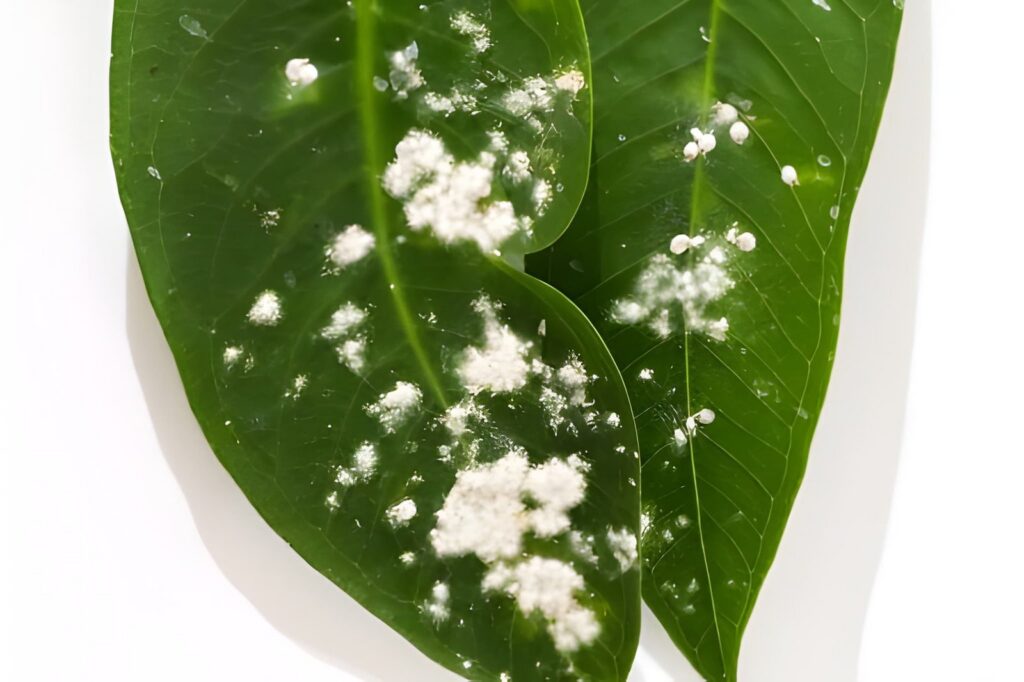
You’re watering your favorite houseplant, and there it is. A tiny white, cotton-like fuzz clinging to the stem. Maybe a few more hiding along the leaf joints. Your first thought is probably, what is this, and how do I get rid of it before it kills my plant? Good news: you’re not alone, and this is one of the most common plant problems. Those white bugs are almost certainly mealybugs, small, soft-bodied insects covered in a waxy white coating that makes them look like little bits of cotton. Let’s walk through exactly what they are, why they showed up, and how to remove white bugs from plants for good, without guessing or making the problem worse.
What Are Those White Bugs on Your Plants?
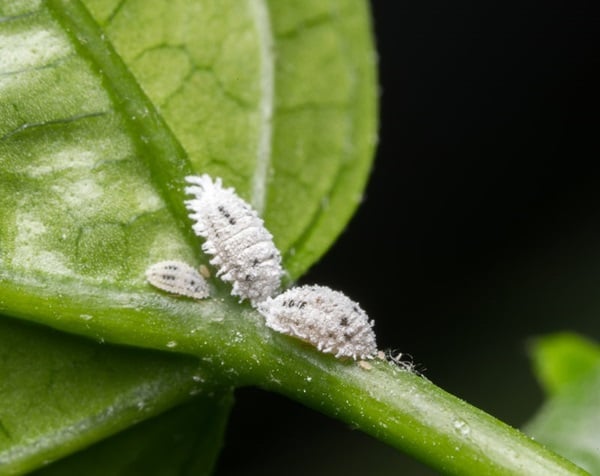
Before treating anything, it helps to confirm what you’re actually dealing with. The white, fuzzy bugs found on houseplants and garden plants are almost always one of these:
Mealybugs: The most common culprit. They look like tiny white cotton balls, usually clustered along stems, leaf joints, and the undersides of leaves. They move slowly and leave behind a sticky residue called honeydew.
Mealybug insects (nymphs): Younger mealybugs look slightly different, smaller, less fuzzy, but just as damaging. They’re often missed in early inspections because they’re harder to spot.
Woolly aphids: Less common indoors but found on outdoor plants and trees. They also have a white, waxy coating, but tend to cluster more tightly.
If you’re seeing small, white, slow-moving insects with a cottony appearance, you’re dealing with mealybugs in the vast majority of cases. The good news is the treatment for all of these is largely the same.
Why Do Mealybugs Appear on Plants in the First Place?
Understanding why these pests showed up helps you prevent them from coming back. Mealybugs typically thrive when:
- Humidity and warmth are high: Indoor plants kept in consistently warm, slightly humid environments are a perfect breeding ground.
- Plants are overcrowded: When they touch, mealybugs spread easily from one to another.
- New plants are introduced without inspection: This is the number one cause. A new plant brought home from a nursery is often already carrying mealybugs or their eggs.
- Plants are stressed or overwatered: Weakened plants are more vulnerable to pest infestations of all kinds.
Knowing this helps explain why mealybugs often seem to “appear out of nowhere”; they were likely already there in small numbers before becoming visible.
Want to know when to call for Pest Control? Click Here
Step-by-Step: How to Remove White Bugs from Plants
Here’s the complete process, starting with the gentlest methods and moving toward stronger treatments if needed.
Step 1: Isolate the Affected Plant
The very first thing to do is move the infected plant away from your other plants. Mealybugs spread fast, and an infestation on one plant can become an infestation on your entire collection within days if plants are close together.
Step 2: Wipe Off Visible Bugs with Rubbing Alcohol
This is the single most effective first step for removing white bugs from plants naturally.
Dip a cotton swab or cotton ball into 70% isopropyl rubbing alcohol, then gently dab it directly onto the mealybugs. The alcohol dissolves their waxy protective coating and kills them on contact. Go over every visible cluster; pay close attention to leaf joints, the undersides of leaves, and along stems where they tend to hide.
For larger infestations, you can use a spray bottle filled with a 1:1 mix of rubbing alcohol and water, lightly misting the affected areas instead of using a swab.
Step 3: Rinse the Plant Thoroughly
After treating with alcohol, rinse the plant under lukewarm running water. This physically removes dead bugs, eggs, and the sticky honeydew residue they leave behind. For larger plants, a gentle shower setting on your sink or a hose outdoors works well.
Step 4: Apply Neem Oil or Insecticidal Soap
Once the visible bugs are cleared, follow up with a neem oil spray or an insecticidal soap treatment. These serve as a residual treatment that targets any eggs or newly hatched mealybugs that survived the initial cleaning.
Mix according to the product label (typically diluted with water), and spray the entire plant, leaves, stems, and soil surface, making sure to coat the undersides of leaves where mealybugs commonly hide.
Step 5: Repeat Every 5 to 7 Days
Mealybug eggs can take one to two weeks to hatch, so a single treatment is rarely enough. Repeat the alcohol and neem oil treatment every five to seven days for at least three weeks to break the full life cycle and catch any newly hatched insects.
Step 6: Check and Treat the Soil
Mealybugs sometimes live in the soil and feed on roots, especially in potted plants. If you notice your plant struggling even after treating visible bugs, consider repotting with fresh, sterile soil and inspecting the roots for white, cottony clusters.
Natural vs Chemical Treatment: Which Should You Choose?
Natural methods like rubbing alcohol, neem oil, and insecticidal soap work very well for most home and garden infestations and are safe for use around children and pets once dry. These should always be your first approach.
Chemical pesticides containing imidacloprid or other systemic insecticides are more aggressive. They are typically reserved for severe outdoor infestations affecting large plants, shrubs, or trees where natural methods haven’t worked after several attempts.
For most houseplants and small garden infestations, natural treatment is not just safer; it’s just as effective when done consistently.
How to Prevent White Bugs from Coming Back
Once you’ve successfully treated your plant, prevention is key to keeping mealybugs from returning.
Inspect new plants before bringing them home. This is the single biggest prevention step. Check leaf joints, undersides of leaves, and soil before introducing any new plant to your collection.
Avoid overcrowding your plants. Give your plants enough space so leaves and stems aren’t constantly touching neighbouring plants.
Maintain proper watering habits. Overwatering weakens plants and makes them more susceptible to pest infestations. Let the soil dry between waterings, based on the specific plant’s needs.
Wipe down leaves regularly. A simple routine of wiping leaves with a damp cloth every couple of weeks helps you catch early signs of mealybugs before they multiply.
Use a preventive neem oil spray monthly. A light monthly application of diluted neem oil acts as an ongoing deterrent, especially for plants that have had infestations before.
When Should You Worry About a Severe Infestation?
Most mealybug problems can be handled at home with the steps above. However, if you notice any of the following, the infestation may be more serious than it appears:
- The infestation covers multiple plants throughout your home
- Plants are wilting, yellowing, or dropping leaves despite treatment
- You see mealybugs in the soil affecting plant roots
- The infestation keeps returning despite consistent treatment over several weeks
In outdoor settings, particularly in trees, shrubs, or large garden beds, a widespread mealybug or woolly aphid infestation can sometimes indicate broader pest pressure around your property, which may benefit from a professional inspection.
Quick Answers to Common Questions
What are the white cotton-like bugs on my plant?
These are almost always mealybugs, soft-bodied insects covered in a white, waxy, cotton-like coating. They cluster on stems, leaf joints, and the undersides of leaves.
Will rubbing alcohol kill mealybugs?
Yes. Rubbing alcohol (70% isopropyl) dissolves the waxy protective coating on mealybugs and kills them on direct contact. It’s one of the most effective natural treatments available.
How do I get rid of mealybugs permanently?
Consistent treatment is key. Combine direct alcohol application, rinsing, and follow-up neem oil treatments every five to seven days for at least three weeks to break the full mealybug life cycle, including eggs.
Are mealybugs harmful to humans or pets?
No, mealybugs do not bite or harm humans or pets directly. However, they can severely damage and eventually kill plants if left untreated, and their sticky honeydew residue can attract mold and other pests.
Why do mealybugs keep coming back on my plant?
This usually means eggs survived the initial treatment, or the infestation has spread to the soil and roots. Consistently repeating treatment and checking the root system typically resolve recurring infestations.
Can mealybugs spread to other plants?
Yes, very easily. Mealybugs spread quickly between plants that are touching or placed close together. Always isolate an infected plant immediately.
When Outdoor Pest Pressure Gets Out of Hand
While mealybugs on houseplants are usually a manageable DIY fix, homeowners across NYC and Long Island sometimes deal with broader outdoor pest issues, from mealybugs and aphids affecting garden plants to ants, mosquitoes, and other insects that move from yards into homes.
If you’re dealing with persistent outdoor plant pests, garden insect problems, or pests that seem to be spreading from your yard into your house, Pestonix provides professional pest inspections and treatment plans across:
- Pest Control Services in Brooklyn, New York
- Pest Control Queens NY
- Pest Control Manhattan NY
- Pest Control in Bronx
- Pest Control in Long Island
Call Pestonix at 917-913-6062 for a free inspection if your pest problem such as mealybugs or spider mites
is moving beyond your plants.
Pestonix serves Brooklyn, Queens, Manhattan, Bronx, Long Island, Nassau County, Suffolk County, and Melville, NY.