
Quick Answer
Here is what NYC homeowners can expect by season:
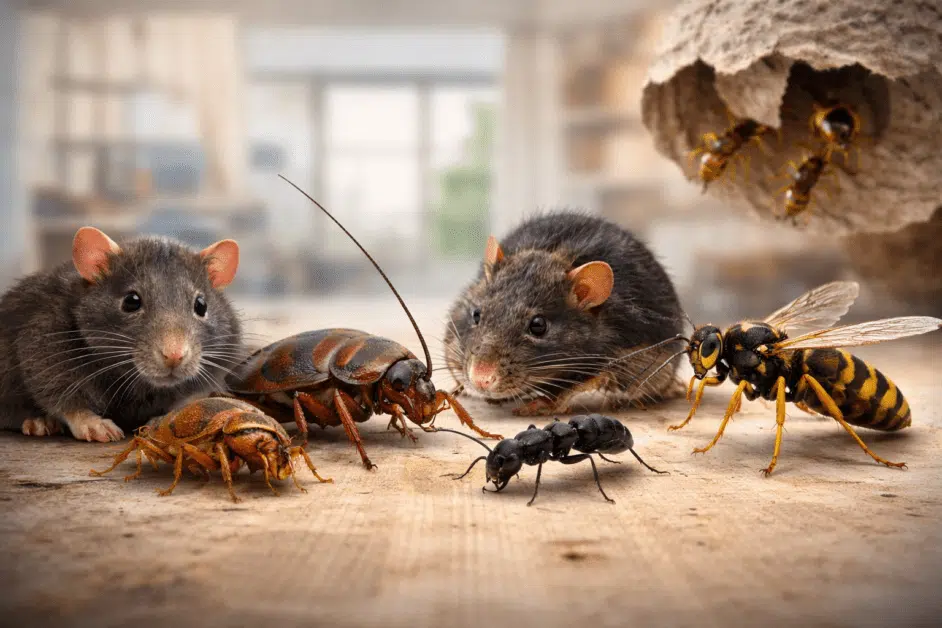
Spring (March–May) brings ants, termites, and stinging insects. Summer (June–August) is peak season for mosquitoes, ticks, cockroaches, and flies. Fall (September–November) triggers rodent invasions and stink bug entry. Winter (December–February) keeps rodents active indoors while bed bugs remain a year-round threat regardless of temperature. Planning ahead by season is the most effective and affordable pest control strategy for New York City and Long Island homeowners.
Spring (March–May) brings ants, termites, and stinging insects. Summer (June–August) is peak season for mosquitoes, ticks, cockroaches, and flies. Fall (September–November) triggers rodent invasions and stink bug entry. Winter (December–February) keeps rodents active indoors while bed bugs remain a year-round threat regardless of temperature. Planning ahead by season is the most effective and affordable pest control strategy for New York City and Long Island homeowners.
Most New Yorkers think about pest control reactively. They call an exterminator when something goes wrong. However, if you have lived in New York City or Long Island for any length of time, you already know that pest problems follow predictable patterns. The same pests show up at roughly the same time every year, driven by temperature changes, rainfall, seasonal breeding cycles, and the movement of people in and out of buildings.
Understanding these patterns does not just help you anticipate problems. It helps you prevent them. In a city where a minor pest issue can become a building-wide crisis within weeks, prevention is always significantly cheaper and less stressful than treatment.
This guide breaks down exactly what pests NYC and Long Island homeowners should expect every single month of the year, why they show up when they do, and what you can do to stay ahead of them before they become a problem inside your home.
Why Pest Activity in NYC Is Different From the Rest of the Country
Before diving into the monthly calendar, it helps to understand why New York City’s pest landscape is uniquely challenging.
New York City’s combination of dense housing, aging infrastructure, year-round human activity, and mild urban heat island effect means pest season here is longer and more intense than in most American cities. A 2023 report from the NYC Department of Health confirmed that rodent, cockroach, and bed bug complaints spike predictably with seasonal changes, but they never fully disappear—even in the coldest months.
Long Island’s suburban environment adds a different layer. Wooded areas, waterways, and large residential properties create prime habitat for ticks, mosquitoes, and termites that urban NYC residents face less frequently.
With that context, here is your complete month-by-month guide.
January: Rodents, Cockroaches, and Bed Bugs
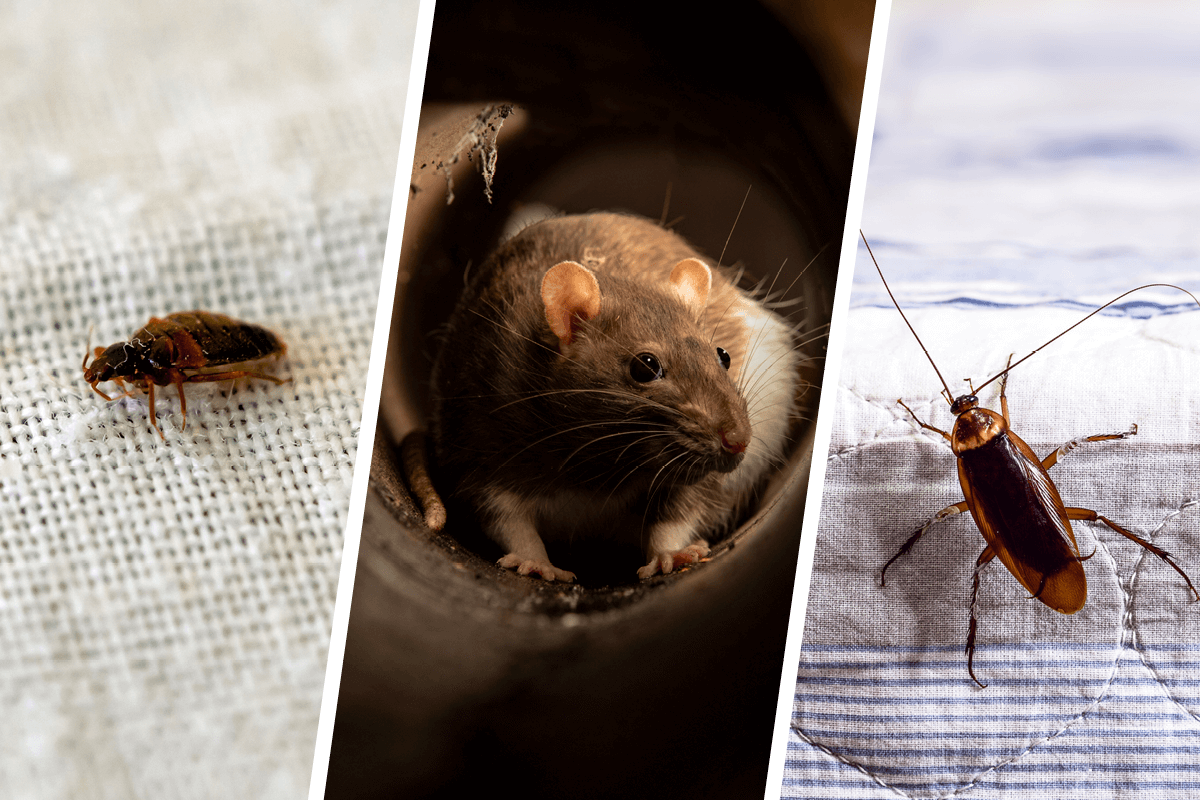
January is the coldest month in New York, but pest activity inside your home can be at its peak. Rodents that moved indoors in fall are now fully established. They are nesting, breeding, and exploring deeper into your home’s structure. A single mouse that entered in October may now be a family of dozens.
What to watch for in January:
Rodents are the primary concern. Listen for scratching inside walls at night, look for droppings along baseboards and under sinks, and check for gnaw marks on food packaging. Cockroaches remain active year-round in NYC apartment buildings. January’s dry indoor heating creates warm conditions they thrive in.
Bed bugs have absolutely no seasonal pattern. They are active and reproducing every month of the year. In January, there is a spike in bed bug reports after the holiday season when travel, overnight guests, and secondhand furniture purchases during sales increase transmission risk significantly.
What to do in January:
Inspect and seal any gaps around pipes, baseboards, and entry points where rodents may be entering. Schedule a preventive rodent inspection if you heard any wall activity in fall. Carefully check secondhand furniture before bringing it inside.
February: Rodents Peak, Overwintering Pests Rest
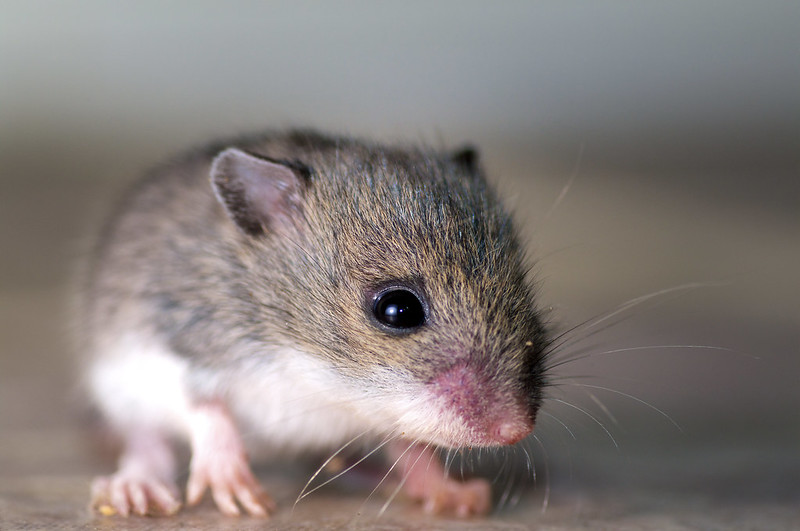
February continues the indoor rodent pressure established in fall and January. Rat and mouse populations that successfully overwintered indoors are breeding. Pest control professionals across NYC typically report that rodent call volumes remain high through February.
What to watch for in February:
Continued rodent activity is especially common in older buildings and homes with basement or crawl space access. Overwintering insects like stink bugs and boxelder bugs that entered your home in fall remain dormant in wall voids and attic spaces but may start appearing near windows on warmer days as they sense the changing light.
What to do in February:
This is an excellent time to schedule a professional rodent exclusion service before spring, when rodents begin spending more time outdoors again and entry point sealing becomes easier to verify as effective. Check attic and basement spaces for signs of overwintering pest activity.
March: Ants Emerge, Termite Swarm Season Begins
March marks the beginning of spring pest season in New York. As temperatures climb above 50°F consistently, ant colonies dormant through winter become active. Scout ants begin appearing along kitchen countertops, windowsills, and bathroom floors as colonies send workers out to locate food sources.
What to watch for in March:
Ant trails may appear suddenly, particularly in kitchens and bathrooms. Small piles of sawdust-like material near door frames or wooden baseboards indicate carpenter ant activity is beginning. Most importantly, watch for termite swarmers, which are winged termites that emerge in spring to establish new colonies. Discarded wings near windowsills are the most common visible sign.
According to the USDA, termites cause over $5 billion in property damage annually in the United States. Subterranean termites, which are the species most common in New York, begin their swarming season in March and April.
What to do in March:
Schedule a termite inspection if your home has not had one in the past 12 months. This is particularly important for Long Island homeowners with wood-frame structures. Seal any cracks along foundations and entry points where ant scouts are entering before the colony directs its full foraging force toward your kitchen.
Learn more: Ant Control Services
April: Termites Swarm, Ants Establish, Stinging Insects Begin
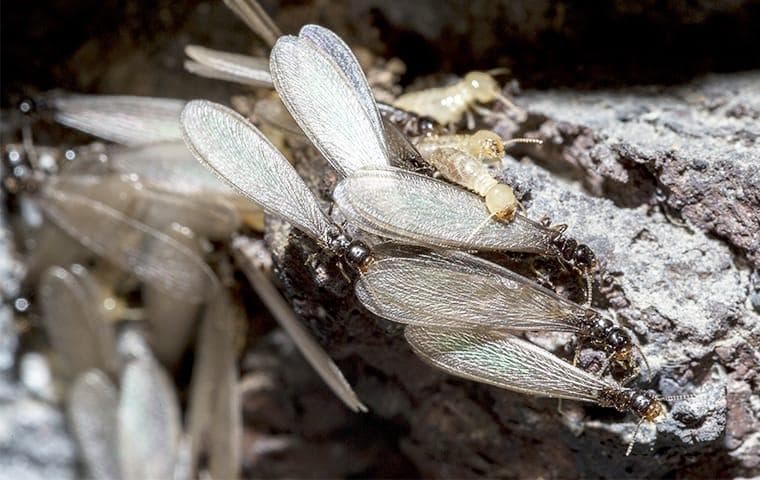
April is one of the most critical months for pest prevention in New York. Termite swarming peaks in April, particularly after warm rain events, which trigger mass swarm emergence. This is the time of year when termite colonies produce winged reproductive members that fly out to establish new colonies, often finding their way into wooden structures.
What to watch for in April:
Termite swarmers near windows and light sources. Mud tubes along your home’s foundation are the underground tunnels subterranean termites build to access wooden structures above ground. Yellow jacket and wasp queens emerge in April and begin scouting locations for new nests. Check eaves, attic vents, and outdoor furniture.
What to do in April:
If you see swarmers inside your home, do not confuse them with flying ants. Termites have straight antennae, equal-length wings, and a uniform waist, while flying ants have bent antennae and a pinched waist. Call for a professional termite inspection immediately if you see swarmers, as the window for treating before a new colony establishes is narrow.
May: Mosquito and Tick Season Opens, Cockroaches Accelerate
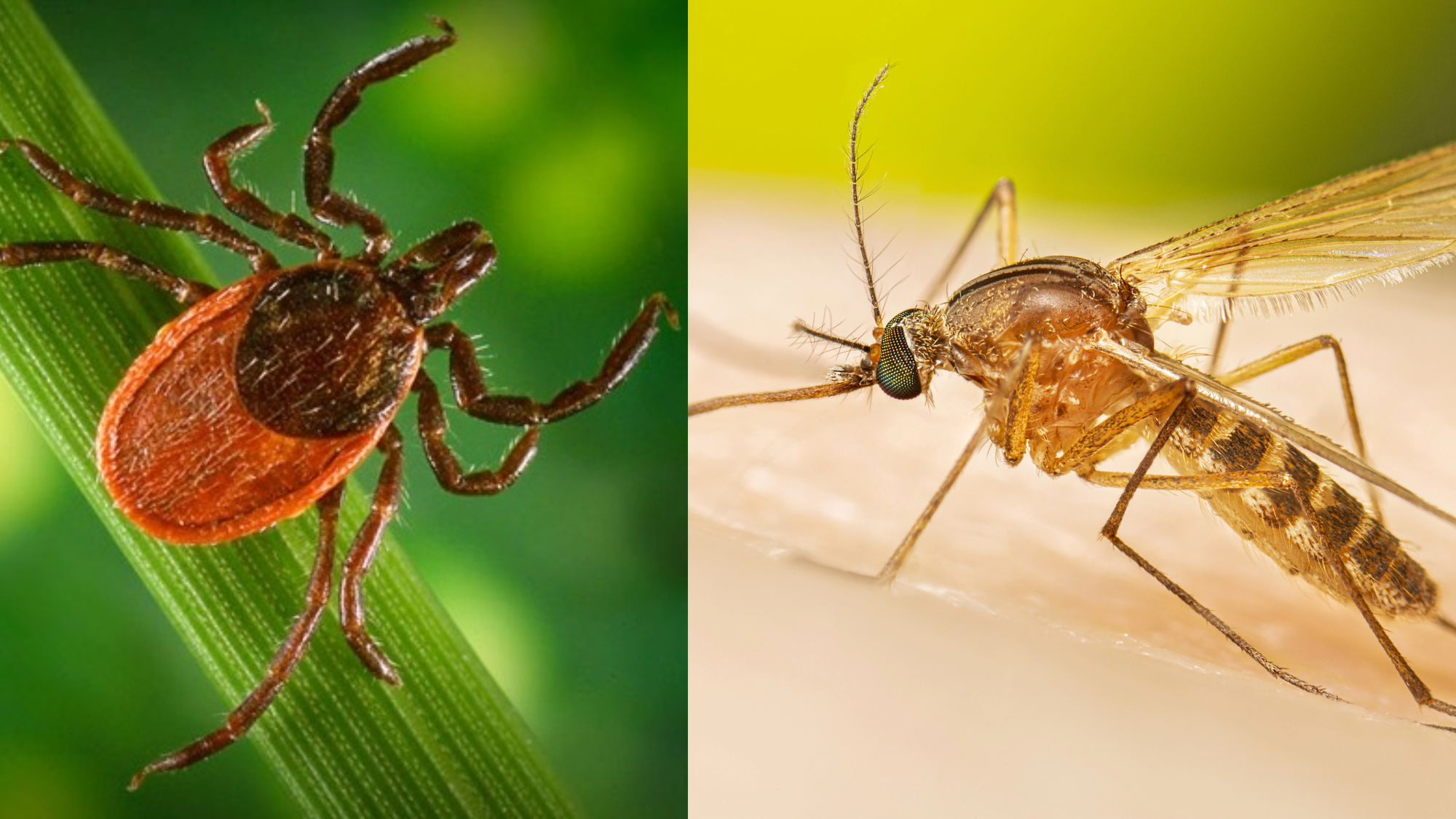
May is when outdoor pest pressure begins in earnest across Long Island and NYC’s outer boroughs. The NYC Department of Health begins its annual mosquito monitoring program in May, tracking West Nile Virus-carrying mosquito populations across all five boroughs. Tick activity also becomes significant across Long Island’s wooded areas and parks. The New York State Department of Health consistently reports high Lyme disease case rates in Nassau and Suffolk County beginning in May.
What to watch for in May:
You may notice the first mosquito bites of the season after spending time in your yard or on your deck. Be alert for ticks on clothing or skin after walking in wooded or grassy areas, especially the tiny nymphal deer ticks that carry Lyme disease and are the size of a poppy seed. Cockroach activity also begins increasing as temperatures warm, particularly in NYC apartment buildings.
What to do in May:
This is the ideal time to schedule your first seasonal mosquito and tick barrier treatment for Long Island properties and outer borough yards before populations peak. Eliminating standing water, which is the primary mosquito breeding site, from your property should be done before the first warm spell.
June: Peak Mosquito Activity, Fly Season, Cockroaches Peak
June marks the start of the year’s most intense pest season for NYC and Long Island. Consistent temperatures in the 70s and 80s create ideal breeding conditions for mosquitoes, flies, cockroaches, and stored product pests at the same time.
What to watch for in June:
Mosquitoes become a daily presence in outdoor spaces. House flies and fruit flies appear near food sources and garbage areas. Cockroach populations in apartment buildings begin their annual summer surge. Heat and humidity are ideal for German cockroach reproduction, with a single female capable of producing hundreds of offspring across multiple generations in a single summer.
A study published in Scientific Reports confirmed that German cockroach populations in urban environments increase reproduction rates significantly during summer months, creating exponential population growth that makes June through August the most critical period for cockroach management in NYC.
What to do in June:
Monthly mosquito barrier treatments are recommended for Long Island properties through September. Keep garbage areas clean and sealed. Cockroach sightings in June, even a single daytime sighting, warrant immediate professional inspection given how rapidly populations grow in summer.
Learn more: Cockroach Control — Pestonix Pest Library
July: Mosquitoes and Ticks Peak, Stinging Insects Grow
July is the peak month for mosquito activity in New York City and Long Island. The NYC Department of Health’s mosquito trapping data consistently shows July as the month with the highest mosquito counts and the greatest West Nile Virus detection rates across the boroughs.
What to watch for in July:
Maximum mosquito pressure in yards, parks, and outdoor spaces. Wasp and yellow jacket colonies reach large sizes by mid-July. A nest that was small and manageable in April may now contain thousands of workers and become aggressive. Tick populations are at peak activity throughout Long Island’s suburban and wooded areas.
What to do in July:
Continue monthly barrier treatments for mosquitoes and ticks. Avoid disturbing any suspected wasp or yellow jacket nests. July colonies are large enough to respond aggressively to perceived threats. Call a professional for nest removal rather than attempting DIY treatment.
Learn more: Yellow Jacket Control — Pestonix Pest Library
August: All Summer Pests Continue, Bed Bug Travel Season
August maintains all of the summer pest pressure from June and July, with one additional significant factor: travel. August is the peak vacation month in the United States, and bed bug transmission through hotels, rental properties, and shared transportation reaches its annual high point.
What to watch for in August:
All ongoing summer pest activity continues, so be particularly vigilant after any travel. Inspect luggage carefully after hotel stays. Check vacation rental accommodations before unpacking. Look for rust stains on mattress seams, shed skins along headboards, and any live insects before settling in. Bed bug populations in NYC spike noticeably in September, directly linked to travel transmission in August.
What to do in August:
Schedule a preventive inspection if you notice anything suspicious after travel. Keep all outdoor food sources sealed to avoid attracting wasps that are becoming increasingly aggressive as their colonies approach maximum size before fall.
Learn more: Bed Bug Eradication — Pestonix
September: Rodent Season Begins, Stink Bugs Enter, Wasps Decline
September is one of the most important transition months in New York’s pest calendar. As temperatures begin dropping, multiple pest species shift their behavior in ways that directly affect your home.
What to watch for in September:
Rodents, including rats and mice, begin seeking indoor shelter as outdoor temperatures drop. This is the start of what pest control professionals call “rodent invasion season,” which runs from September through November. Stink bugs, boxelder bugs, and other overwintering insects begin searching for protected indoor spaces to spend the winter. They enter through gaps around windows, doors, and utility penetrations. Wasp colonies begin declining as the season ends, but remaining workers can be erratic and aggressive.
According to Rutgers University Extension research, rodent entry attempts into residential structures increase by over 25% in September compared to summer months as outdoor temperatures drop below consistent comfort thresholds for rats and mice.
What to do in September:
This is the single most important month for rodent exclusion work. Have a professional inspect and seal all potential entry points before the full invasion pressure of October and November hits. Check window screens, door sweeps, and any gaps around utility lines entering your home.
Learn more: Rodent Control
October: Peak Rodent Invasion, Wildlife Seeks Shelter
October is when rodent activity reaches its annual peak in New York City and Long Island. Pest control companies across the city report October as their busiest month for rodent service calls. Rats and mice that have been building populations outdoors all summer now move aggressively indoors as temperatures consistently drop below their preferred range.
What to watch for in October:
Scratching sounds in walls at night are the clearest indicator of active rodent nesting. Droppings may appear along baseboards and in kitchen cabinets. Squirrels and other wildlife may attempt to access attic spaces through roof vents, fascia gaps, and deteriorating soffits. This is particularly relevant for Long Island homeowners with wooded surroundings.
What to do in October:
If you have not had rodent exclusion work done in September, October is your last real opportunity to get ahead of the invasion before nests are fully established. Wildlife removal for attic-accessing squirrels and raccoons should happen before these animals settle in for winter. Removal becomes significantly more disruptive once animals have been nesting for extended periods.
Learn more: Humane Wildlife Removal
November: Rodents Established Indoors, Overwintering Pests Active
By November, rodents that entered in September and October are fully established in their indoor nesting locations. This is also the month when overwintering insects like stink bugs become more visible indoors — they move toward warmer areas of the home as temperatures drop further.
What to watch for in November:
Continued rodent activity can be identified if you see droppings in new locations. This indicates the population is actively expanding its territory inside your home. Stink bugs may appear near windows, heating vents, and ceiling fixtures as they navigate toward warmth. Cockroach activity in apartment buildings remains high as indoor heating keeps building temperatures in their preferred range year-round.
What to do in November:
If rodents are active, professional treatment at this point should combine elimination of the existing population with comprehensive entry point sealing to prevent continued entry. Traps alone without exclusion work will result in continuous replacement of the rodents that are caught.
December: Indoor Pests Year-Round, Holiday Bed Bug Risk
December brings New York City’s coldest weather, but indoor pest activity remains significant. Rodents, cockroaches, and bed bugs are all active and reproducing inside the heated environments of NYC apartments and homes regardless of outdoor temperatures.
What to watch for in December:
All indoor pest activity from November continues. Bed bug transmission risk increases around the holidays. Overnight guests, travel, and holiday shopping at secondhand stores all create opportunities for bed bug transmission. Christmas trees and holiday decorations stored in potentially pest-accessible areas can harbor insects including spider mites, aphids, and occasionally even rodent activity if stored improperly.
What to do in December:
Inspect holiday decorations before bringing them inside from storage. Be vigilant about secondhand furniture or items brought into the home as gifts. If you have overnight guests, be aware that guest rooms without regular activity are among the first places bed bugs establish undetected.
Year-Round Threats: Bed Bugs Never Follow a Season
This deserves its own section because it is one of the most important facts for NYC residents to understand. Bed bugs have no seasonal pattern whatsoever.
Unlike every other pest on this calendar, bed bugs are completely temperature-controlled by the indoor environment. New York City’s consistently heated apartments and homes maintain temperatures that bed bugs find ideal for reproduction every single month of the year. Bed bug reports in NYC are remarkably consistent across all twelve months, with slight spikes after peak travel periods.
This means there is no “safe” season for bed bugs in New York. Vigilance, preventive inspection after travel, and immediate professional response to any signs of activity are the only effective strategies.
Your NYC Pest Prevention Calendar — Quick Reference
January & February: Rodent exclusion, bed bug vigilance after travel
March & April: Termite inspection, ant prevention, seal entry points
May: First mosquito and tick barrier treatment, cockroach monitoring
June, July & August: Monthly mosquito/tick treatments, cockroach management, bed bug travel precautions
September: Rodent exclusion work. This is the most important month of the year for this step.
October & November: Rodent treatment, wildlife removal if needed
December: Holiday bed bug vigilance, rodent monitoring
March & April: Termite inspection, ant prevention, seal entry points
May: First mosquito and tick barrier treatment, cockroach monitoring
June, July & August: Monthly mosquito/tick treatments, cockroach management, bed bug travel precautions
September: Rodent exclusion work. This is the most important month of the year for this step.
October & November: Rodent treatment, wildlife removal if needed
December: Holiday bed bug vigilance, rodent monitoring
Frequently Asked Questions: Seasonal Pest Activity in NYC
What month do bed bugs come out in NYC?
Bed bugs are active every month of the year in New York City. They do not have a season. Indoor heating maintains ideal temperatures for bed bug reproduction year-round in NYC apartments and homes.
Bed bugs are active every month of the year in New York City. They do not have a season. Indoor heating maintains ideal temperatures for bed bug reproduction year-round in NYC apartments and homes.
When does mosquito season start in New York City?
Mosquito season in NYC typically begins in May and peaks in July and August. The NYC Department of Health starts its annual mosquito monitoring program in May each year.
Mosquito season in NYC typically begins in May and peaks in July and August. The NYC Department of Health starts its annual mosquito monitoring program in May each year.
When should I expect ants in my NYC home?
Ant activity in New York City typically begins in March as temperatures rise above 50°F and peaks through May and June. Carpenter ant activity can begin slightly earlier in warmer years.
Ant activity in New York City typically begins in March as temperatures rise above 50°F and peaks through May and June. Carpenter ant activity can begin slightly earlier in warmer years.
What month do rodents enter NYC homes?
Rodents begin moving indoors in September as temperatures drop and peak in October and November. However, rodents that have successfully entered can remain active and breeding indoors through the entire winter.
Rodents begin moving indoors in September as temperatures drop and peak in October and November. However, rodents that have successfully entered can remain active and breeding indoors through the entire winter.
When is termite season in New York?
Termite swarming season in New York typically runs from March through May, with April being the peak month following warm rain events. Subterranean termites are the most common species in New York.
Termite swarming season in New York typically runs from March through May, with April being the peak month following warm rain events. Subterranean termites are the most common species in New York.
What pests are worst in summer in NYC?
Mosquitoes, ticks, cockroaches, flies, and stinging insects like yellow jackets and wasps are most active and problematic during New York City summers, peaking in July and August.
Mosquitoes, ticks, cockroaches, flies, and stinging insects like yellow jackets and wasps are most active and problematic during New York City summers, peaking in July and August.
When should I schedule pest control in NYC?
For the best results, schedule a termite inspection in early spring, mosquito and tick treatments monthly from May through September, rodent exclusion work in September before invasion season peaks, and a general preventive inspection annually. Bed bugs warrant immediate response whenever any signs are detected regardless of the month.
For the best results, schedule a termite inspection in early spring, mosquito and tick treatments monthly from May through September, rodent exclusion work in September before invasion season peaks, and a general preventive inspection annually. Bed bugs warrant immediate response whenever any signs are detected regardless of the month.
Are pests worse in NYC in summer or winter?
Different pests peak in different seasons. Summer brings mosquitoes, ticks, cockroaches, and stinging insects. Winter brings established indoor rodent populations and year-round bed bug activity. Fall is the most critical transition period when the most significant pest prevention work should happen.
Different pests peak in different seasons. Summer brings mosquitoes, ticks, cockroaches, and stinging insects. Winter brings established indoor rodent populations and year-round bed bug activity. Fall is the most critical transition period when the most significant pest prevention work should happen.
Stay Ahead of Every Season with Pestonix
At Pestonix, we know New York’s pest calendar inside and out. Our seasonal treatment plans are built around exactly the monthly patterns described in this guide — so you are protected before problems start, not after they have already established in your home.
We serve homeowners and businesses across:
- Pest Control Services in Brooklyn, New York
- Pest Control Queens NY
- Pest Control Manhattan NY
- Pest Control in Bronx
- Pest Control in Long Island
- Pest Control in Nassau County
Call Pestonix at 917-913-6062 or visit pestonix.com for a free seasonal pest inspection. Same-day service available across all NYC boroughs and Long Island.
Pestonix serves Brooklyn, Queens, Manhattan, Bronx, Long Island, Nassau County, Suffolk County, Melville, and Westchester, NY.