
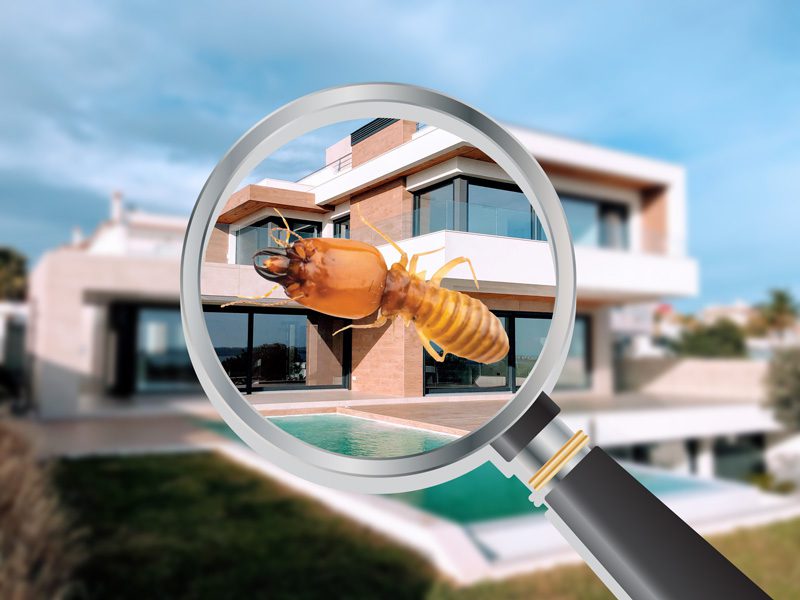
If you have never had one done, a termite inspection can sound more mysterious than it actually is. It is a methodical, non-invasive walkthrough of your property, not a demolition project. Here is exactly what a licensed inspector does, what tools they use, and what happens once the inspection is finished.
What Happens During a Termite Inspection?

A termite inspection is a visual, tool-assisted check of your home’s exterior, interior, crawl space, and foundation for signs of termite activity. The inspector looks for mud tubes, damaged or hollow-sounding wood, shed wings, and moisture problems that attract termites. At the end of the visit, you get a verbal summary or a written report explaining what was found and what, if anything, needs to happen next.
The rest of this guide walks through each part of that process in more detail, including what to expect if you need a documented report for a real estate transaction.
Why Would You Need a Termite Inspection?
Most termite inspections happen for one of two reasons. The first is that a homeowner noticed something concerning: winged insects near a window, small piles of shed wings, a mud-like trail on the foundation, or wood that sounds hollow when tapped. The second is a real estate transaction. Buying, selling, or refinancing a home in New York typically involves a documented wood-destroying insect (WDI) report, which lenders use to confirm the property does not have active or undisclosed termite damage.
Both situations use the same basic inspection process. The difference is mainly in the paperwork, which is covered further down.
The Termite Inspection Process, Step by Step
A professional inspection follows a fairly consistent sequence, whether it is a routine check or one tied to a home sale.
Initial Consultation
Most inspectors start with a short conversation. They will ask whether you have noticed anything unusual, such as flying insects, discarded wings, or damaged wood, and whether any areas of the home have had moisture problems or prior pest treatment. This helps them focus extra attention on the right spots once the physical inspection begins.
Exterior Perimeter Check
The inspector walks the full perimeter of the building, checking the foundation line, siding, deck and porch supports, and any wood that touches or comes close to soil. This is where mud tubes, the pencil-width tunnels subterranean termites build to travel between soil and wood, are most commonly found. Exterior wood structures like sheds, fences, and pergolas are checked too, since they are often overlooked but can still host activity.
Interior, Crawl Space, and Basement Check
Inside the home, the inspector examines basements, crawl spaces, sill plates, floor joists, and areas around plumbing penetrations, since these tend to hold moisture and sit closest to the ground. Attics and utility closets may also be checked if they are accessible. Finished basements or enclosed crawl spaces can limit what an inspector can see, so it helps to mention any areas that are not easily accessible.
Tools Inspectors Use
- Flashlights and telescoping mirrors, to see into tight or low-clearance spaces
- Moisture meters, to identify damp wood that may be attracting termites
- Probes and screwdrivers, used to gently test wood for softness and to check whether shelter tubes are active
- Sounding, meaning tapping on wood to listen for a hollow tone that suggests internal tunneling
None of these steps involve cutting into walls or removing finished surfaces. A standard inspection is visual and non-invasive.
Active vs. Inactive Termite Evidence: What’s the Difference?
One detail that gets lost in a lot of homeowner research is that not every sign of termites means an infestation is happening right now. Inspectors distinguish between active and inactive evidence, and the difference changes what happens next.
| Evidence Type | What It Looks Like | What It Means | Active | Live termites, moist mud tubes that rebuild after being broken open, fresh shed wings | Ongoing activity; treatment is typically recommended | Inactive | Dry, brittle mud tubes that do not repair themselves, old damage with no live insects present | Past activity, often already treated or resolved; usually noted but does not automatically mean current risk |
This distinction matters most in real estate, where a report showing inactive, previously treated damage is a very different situation from one showing an active colony.
Termite Inspections and Real Estate in New York
In New York, a documented termite inspection is a routine part of most home sales, and it is frequently required by mortgage lenders, particularly for FHA and VA-backed loans.
WDI Reports and the NPMA-33 Form
The standard document used for these transactions is called a WDI report, sometimes referred to as a termite letter or WDO (wood-destroying organism) report. It is completed on the NPMA-33 form, a standardized format that lenders and title companies recognize, and it records whether the inspector found active evidence, inactive evidence, or no evidence of termites and other wood-destroying pests.
Who Is Licensed to Perform One in New York
A WDI report can only be completed by a licensed pest control professional. In New York, that means a technician registered with the New York State Department of Environmental Conservation (NYSDEC) under the category covering termite and wood-destroying organism work. A home inspector, real estate agent, or general contractor cannot sign this report, even if they note visible damage during a general home inspection.
The only termite species relevant to this requirement across New York is the eastern subterranean termite (Reticulitermes flavipes). Drywood and Formosan termites are not established in the region’s climate, so any report referencing them for a New York property should be treated with caution.
How Long Does a Termite Inspection Take?
A routine residential termite inspection generally takes 30 minutes to about an hour and a half, depending on the size of the property and how accessible the crawl space, basement, and attic are. Larger homes, finished basements, or limited access points can add time.
How to Prepare for a Termite Inspection
A few simple steps before the appointment let the inspector cover every area properly.
- Clear access to crawl space entrances, attic hatches, and basement corners
- Move stored boxes, bins, or furniture a few inches away from interior walls and baseboards
- Move firewood, lumber, or stacked items away from the foundation and garage walls
- Provide access to under-sink cabinets and utility areas where plumbing enters the home
- Mention any past pest treatments or renovations that may affect what the inspector can see
What Happens If Termites Are Found?
If the inspector finds active termite evidence, they will explain where the activity is concentrated and what treatment approach fits the situation. The right response depends on things like where the colony is entering the structure, how extensive the activity appears, and the construction of the home. This is also the point where scheduling a professional termite inspection and treatment plan through Pestonix makes sense, since a licensed technician can confirm the extent of the problem and recommend next steps rather than leaving you to guess from a written report alone.
Finding termite evidence is not the same as facing guaranteed structural damage. Subterranean termite colonies typically need to feed undetected for an extended period before causing serious harm, which is exactly why catching activity early through an inspection matters.
How Often Should You Get a Termite Inspection?
An annual inspection is a reasonable baseline for most New York homes, and it lines up naturally with spring, when eastern subterranean termites are most likely to swarm and become visible to homeowners. If your home has a history of termite activity, sits on a lot with a lot of wood-to-soil contact, or you are buying or selling, an inspection outside that yearly cycle is worth scheduling as well.
Scheduling a Termite Inspection in NYC
Whether you noticed a warning sign or just need a documented report for a closing, Pestonix provides licensed termite inspections across NYC, Long Island, and Melville, with same-day availability when you need it. Contact our team to schedule an inspection and get a clear, honest answer about what is happening in your home.
Frequently Asked Questions
How much does a termite inspection cost?
Cost varies by property size and whether the inspection is a routine check or a documented real estate report, so it is best to confirm pricing directly with the pest control company you contact.
Do I need to be home for the inspection?
It helps to be present, especially for the initial consultation, but the main requirement is that the inspector has access to the areas that need checking, such as crawl spaces, basements, and attics.
Is a termite inspection required to sell a house in New York?
It is not universally required by law, but most mortgage lenders, especially for FHA and VA loans, require a documented WDI report before closing, which makes it a standard step in most New York home sales.
Can a home inspector complete a termite report?
No. A WDI report must be completed and signed by a licensed pest control professional, in New York a NYSDEC-registered applicator. A general home inspector can note visible damage but cannot issue the official report.
Does finding old termite damage mean I have an active infestation?
Not necessarily. Inspectors distinguish between active evidence, such as live termites or moist mud tubes, and inactive evidence, such as dry tubes or old damage with no current activity. A report noting inactive evidence is describing past, resolved activity, not a current infestation.
What should I do if the inspection finds termites?
Ask the inspector to explain where the activity is and how extensive it appears, then schedule a follow-up with a licensed termite control provider to discuss treatment options suited to your home.