
Quick Answer
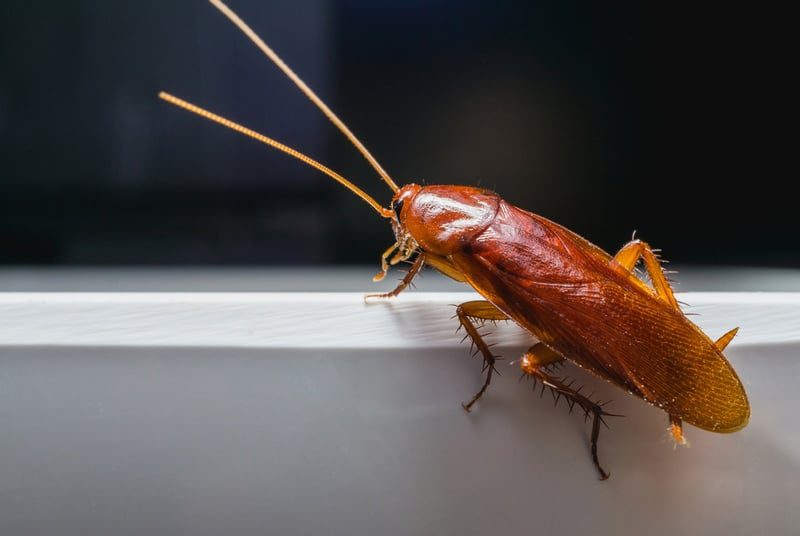
Yes. Cockroaches are more than a gross nuisance; they can trigger asthma and allergies, spread bacteria like Salmonella and E. coli onto food and surfaces, and contaminate kitchens as they crawl through drains, trash, and rotting food. They don’t bite or sting like some pests, but the health risk comes from what they carry and leave behind: shed skin, droppings, and saliva. In NYC apartments, where roaches can travel between units through shared walls and pipes, one infestation rarely stays contained to a single home. This is why fast, professional treatment matters more than store-bought sprays.
The Real Health Risks of Cockroaches
Cockroaches don’t spread disease the way mosquitoes or ticks do, but they’re still a legitimate health concern, especially indoors where they contaminate the surfaces people eat, cook, and prepare food on.
Asthma and allergies.
This is the biggest, best-documented risk. Cockroach droppings, saliva, and shed exoskeletons contain proteins that are known allergens. In homes with an active infestation, these particles become airborne and settle into dust, especially in kitchens and bedrooms. Research from the CDC and asthma researchers has repeatedly linked cockroach allergen exposure to increased asthma attacks in children, and it is considered one of the most common indoor asthma triggers in dense urban housing.
Bacteria and pathogens.
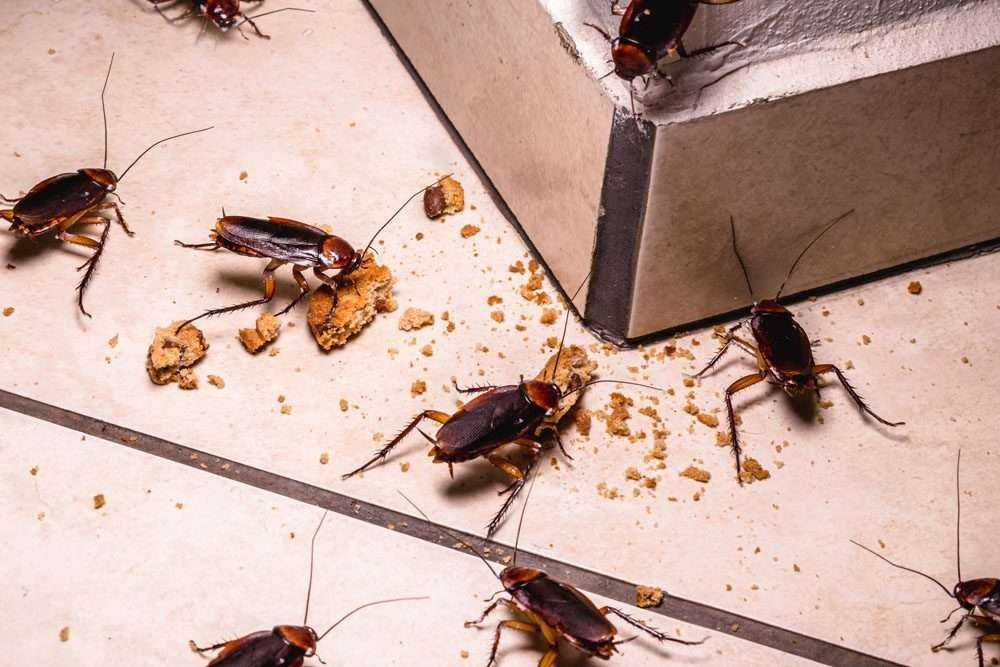
Roaches live in drains, garbage, sewers, and decaying organic matter, then walk across countertops, dishes, and food packaging. They can mechanically carry bacteria including Salmonella, E. coli, and Staphylococcus, along with pathogens linked to dysentery and other gastrointestinal illness. They don’t inject these into you like a bite; the risk is contamination, not attack.
Worsened conditions for kids and people with respiratory issues.
Children, older adults, and anyone with pre-existing asthma or allergies are more sensitive to cockroach allergens. In multi-unit buildings where an infestation has been present for a while, this exposure can be constant and low-grade. This is often worse for long-term respiratory health than a single acute reaction.
Cockroaches don’t bite humans in any meaningful way, and they’re not venomous. The danger is not the roach itself, but what an infestation does to the air quality and surfaces in your home over time.
Signs You Have a Cockroach Problem
Roaches are nocturnal and good at staying hidden, so by the time you spot one in daylight, there’s usually already a larger population behind your walls or under appliances. Common signs include:
- Droppings that look like small black pepper flecks or coffee grounds, often along baseboards, in cabinets, or under the sink
- An oily, musty odor in cabinets or near appliances. A strong, consistent smell is often a sign of a larger infestation.
- Egg cases (oothecae). These are small, dark, capsule-shaped cases tucked into cracks, behind appliances, or in cardboard boxes.
- Shed skins from nymphs molting as they grow
- Live roaches at night. Flipping on a kitchen light and seeing roaches scatter is one of the clearest signs of an active population.
- Smear marks. These are dark, irregular streaks along walls or floors near their travel paths.
If you’re noticing more than one of these, it is likely that the visible activity is only a fraction of what is actually in the walls, pipes, and voids you cannot see.
Not sure how bad it is? Pestonix technicians inspect the spots homeowners usually miss, behind appliances, under sinks, inside wall voids, and give you a straight answer on what it will take to clear it. Schedule inspection.
Why Cockroaches Are a Bigger Problem in NYC Apartments
Apartment living creates conditions that make cockroach infestations spread faster and get harder to fully eliminate than in a standalone house.
Shared walls and plumbing. Roaches travel through wall voids, pipe chases, and shared plumbing lines between units. That means an infestation in one apartment or in a building’s basement, trash room, or an unresponsive neighboring unit can reintroduce roaches into an apartment that has already been treated.
Building-wide infestations. In older NYC buildings especially, cockroaches are frequently a building-wide issue rather than a single-unit problem. Treating just one apartment while the building’s common areas or an adjacent unit remain infested is a common reason people feel like an infestation keeps coming back.
Density and clutter. Dense living with shared trash areas, recycling rooms, and laundry spaces gives roaches more food sources and hiding spots across a building, not just inside individual kitchens.
Landlord responsibility. Under NYC housing law, landlords are generally required to maintain units free of vermin, including cockroaches, and tenants have the right to request pest control as part of habitability. If you are renting and dealing with a recurring infestation, documenting the problem with photos, dates, and written requests to your landlord or management is important for getting it addressed and for any potential housing complaint down the line.
Prevention Tips
- Seal entry points. Caulk cracks around baseboards, pipes, and cabinets, and use door sweeps where units meet hallways.
- Store food in sealed containers, including pet food, and avoid leaving dishes overnight
- Take out trash regularly and keep trash cans sealed, especially in kitchens
- Fix leaks promptly. Roaches need water sources, and a dripping pipe under a sink is often enough to sustain them.
- Reduce clutter in cabinets, under sinks, and around appliances, which removes hiding spots
- Vacuum and clean crumbs regularly, particularly behind the stove and refrigerator where debris builds up unnoticed
- Talk to neighbors or your building manager if you suspect the issue extends beyond your unit. In apartments, prevention is a building-wide effort, not just a personal one.
Why Professional Treatment Works Better Than DIY
Store-bought sprays and foggers often push roaches deeper into walls and voids rather than eliminating the colony, and they rarely reach egg cases, which can hatch weeks later and restart the problem. A licensed pest control technician can:
- Identify and treat entry points and nesting sites you can’t see or reach
- Use targeted gel baits and growth regulators that eliminate the colony at its source, including eggs
- Coordinate treatment with building management when the infestation involves shared walls, basements, or neighboring units
- Provide a treatment plan with follow-up visits, since a single visit is rarely enough to fully break a cockroach life cycle
If you’re seeing roaches during the day, noticing an odor, or dealing with an infestation that keeps returning after DIY attempts, that is typically the point where professional treatment is worth it. This approach is both more effective and addresses the health exposure sooner rather than later.
FAQ
Do cockroaches bite people?
Cockroaches can bite in very rare cases, usually only in severe, long-standing infestations where food sources are scarce, but this is uncommon. The primary health risk is not bites; it is the allergens and bacteria they spread through droppings, shed skin, and contact with food and surfaces.
Can cockroaches make you sick?
Yes, indirectly. Cockroaches can carry bacteria like Salmonella and E. coli on their bodies and legs, contaminating food and kitchen surfaces they walk across. They don’t transmit illness through a bite or sting.
Are cockroaches dangerous for babies or people with asthma?
Yes, this is the group most affected. Cockroach allergens are one of the most common indoor asthma triggers, and exposure has been linked to more frequent asthma attacks in children and increased sensitivity in people with existing respiratory conditions.
How fast can a cockroach infestation spread in an apartment building?
Quickly. Roaches can travel through wall voids, plumbing, and shared spaces between units, so an untreated infestation in one apartment or common area can spread to neighboring units within weeks.
Is it my landlord’s responsibility to treat cockroaches in NYC?
Generally, yes. NYC landlords are typically required to maintain rental units free of pest infestations as part of habitability standards. If you’re a renter dealing with a recurring problem, document it and request treatment in writing.
Can I get rid of cockroaches myself, or do I need an exterminator?
Minor, early-stage activity can sometimes be managed with sealing entry points, sanitation, and store-bought gel baits. But once you are seeing roaches during the day, smelling a persistent odor, or finding egg cases, DIY methods usually are not enough to fully eliminate the colony. Professional treatment is more reliable and faster.
Notice signs of a cockroach infestation in your NYC or Long Island home? /contact for a same-day inspection, or learn more about cockroach behavior and treatment in our Pest Library.