
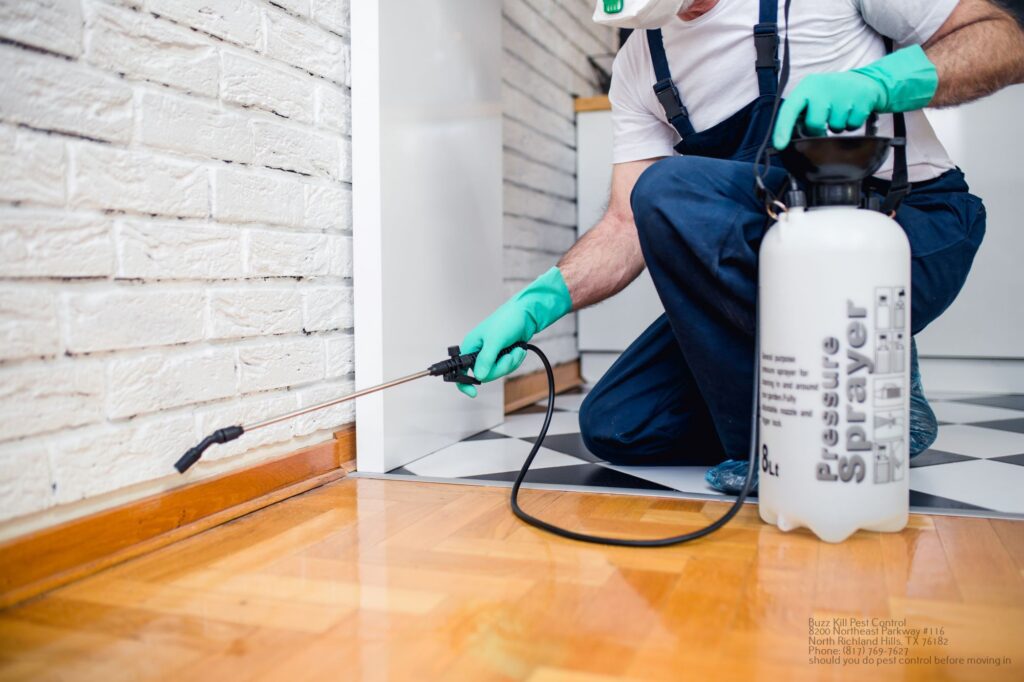
You just had pest control treatment. The technician left, you waited the recommended time, walked back into your home, and everything looked clean. No bugs in sight.
But now you’re wondering, how long is this actually going to last?
It’s one of the most common questions people ask after a pest control visit, and honestly, the answer isn’t as simple as “three months” or “one year.” It depends on the pest, the treatment method, the conditions inside your home, and whether you’re taking the right prevention steps afterward.
This guide breaks it all down clearly, with exact timelines for every common pest, factors that affect how long treatments last, and what to do when they stop working.

Quick Answer: How Long Does Pest Control Last by Treatment Type
Here’s a fast reference table for the most common scenarios:
| General pest spray (ants, roaches, spiders) | 30 to 90 days |
| Bed bug heat treatment | Kills all present bugs immediately — no residual |
| Bed bug chemical treatment | 30 to 90 days with follow-ups required |
| Rodent baiting and trapping | Ongoing — requires monitoring |
| Termite liquid treatment | 5 to 10 years |
| Termite bait stations | Ongoing with annual inspection |
| Mosquito barrier spray | 21 to 30 days per application |
| Tick barrier treatment | 21 to 30 days per application |
| Cockroach gel baiting | 3 to 6 months |
| Ant treatment | 1 to 3 months |
| Wasp / yellow jacket nest removal | Permanent for that nest |
Keep this in mind; these are general timelines under normal conditions. Your specific results may vary depending on the factors we’ll cover below.
Why “How Long Does Pest Control Last” Doesn’t Have One Single Answer
Before getting into individual pests, it helps to understand why the duration of pest control varies so much from one situation to the next.
The type of product matters. Residual sprays leave an active chemical film on surfaces that continues to kill pests that walk across them. Heat treatments and physical trapping methods have no residual effect; they eliminate only what’s present at the time of treatment.
Your environment matters. Sunlight, moisture, and cleaning products all break down chemical residues faster. A surface that gets mopped regularly will lose its residual protection quicker than an undisturbed baseboard.
The pest itself matters. Some pests like termites require years of ongoing protection. Others, like wasps, once a nest is removed, that specific problem is permanently resolved.
Re-infestation pressure matters. This is especially important for New York City residents. In dense apartment buildings, pests from neighboring units can re-enter your home regardless of how effective your treatment was. A perfectly executed cockroach treatment in your unit can be undone within weeks if neighboring units remain untreated.
Understanding this helps you set realistic expectations and ask the right questions when booking pest control services.
How Long Does Pest Control Last for Each Common Pest
Cockroaches: 3 to 6 Months

Professional cockroach treatment using gel baiting combined with void injections typically remains effective for 3 to 6 months. Gel bait stays active until it dries out or is consumed, while residual sprays applied to baseboards and entry points remain effective for 30 to 90 days depending on the product and surface.
However, cockroach re-infestation in NYC apartment buildings is a persistent challenge. A 2021 study in the Journal of Economic Entomology confirmed that German cockroach populations in urban environments re-establish significantly faster in multi-unit buildings than in standalone homes — primarily due to migration from neighboring units.
What this means for you: A quarterly maintenance plan is the most effective approach for NYC apartment dwellers. One-time treatments work for standalone homes with a single infestation and no ongoing pressure from neighboring units.
Bed Bugs: One Visit (Heat) or Multiple Visits (Chemical)
This is where treatment duration gets particularly important to understand.
Heat treatment raises your home to 118°F or higher, killing all bed bugs and eggs present at the time of treatment. There is no residual effect; once the heat is gone, no ongoing protection remains. However, when done correctly, a single heat treatment eliminates 100% of the current infestation in one visit. The question of “how long does pest control last” for heat treatment really becomes: how long until re-infestation from outside occurs.
Chemical treatment uses residual pesticides that continue working for 30 to 90 days after application. Multiple visits are required, typically two to three spaced two weeks apart, because no pesticide reliably kills bed bug eggs. The residual effect catches newly hatched nymphs between visits.
For NYC residents in apartment buildings, both methods should be paired with a follow-up inspection 30 days after treatment to confirm no re-introduction from neighboring units has occurred.
Rodents: Ongoing Management Required
Unlike insect treatments, rodent control doesn’t have a fixed duration. Here’s why: trapping and baiting eliminate the rodents currently present, but they don’t stop new rodents from entering if entry points aren’t sealed.
Structural exclusion, sealing gaps, cracks, and openings rodents use to enter, is the only permanent component of rodent control. Without it, new rodents will enter within weeks regardless of how effective the trapping was.
A complete professional rodent treatment should include three components: elimination of the current population, sealing of entry points, and ongoing monitoring. The monitoring component typically involves bait station checks every 30 to 60 days to catch any new activity before it becomes a full infestation again.
According to Rutgers University Extension research, rodent re-infestation rates in urban properties without structural exclusion work are significantly higher than in properties where entry points were properly sealed during treatment.
Termites: 5 to 10 Years (Liquid) or Ongoing (Bait)
Termite treatment has by far the longest lasting effects of any common pest control service.
Liquid termiticide applied around a home’s foundation creates a chemical barrier that termites cannot cross. According to the National Pest Management Association, properly applied liquid termiticide treatments remain effective for 5 to 10 years, depending on the product used and soil conditions.
Termite bait stations work differently: they don’t create a time-limited barrier; instead, they use an ongoing monitoring and baiting system that detects termite activity before structural damage occurs. These require annual inspection and maintenance but provide continuous protection indefinitely.
For Long Island homeowners with wood-frame homes, an annual termite inspection is strongly recommended regardless of whether an active treatment is in place. Termites cause damage for years before becoming visible. Early detection through annual inspections is always cheaper than structural repairs.
Mosquitoes and Ticks: 21 to 30 Days Per Application
Outdoor barrier spray treatments for mosquitoes and ticks applied to yard vegetation, shrubs, and shaded areas remain effective for approximately 21 to 30 days per application. Rainfall, sunlight, and new vegetation growth all break down the product over time.
For full seasonal protection across Long Island and NYC’s outer boroughs, monthly applications from May through October provide the most consistent coverage during peak mosquito and tick activity. Some properties with heavy vegetation may benefit from every-three-week applications during peak summer months.
Ants: 1 to 3 Months
Professional ant treatment using bait-based methods targets the entire colony, including the queen, and typically provides results that last 1 to 3 months. Spray-only approaches kill foraging workers but leave the colony intact, providing only temporary relief.
Carpenter ant treatments may last longer when combined with structural inspection and sealing of wood damage that provided harborage; addressing the root cause significantly extends the treatment’s effectiveness.
General Pest Spray (Spiders, Silverfish, Earwigs): 30 to 90 Days
Standard perimeter sprays targeting general crawling insects remain active on treated surfaces for 30 to 90 days under normal conditions. High-traffic areas and regularly cleaned surfaces will lose protection faster than undisturbed areas, such as baseboards and wall voids.
Quarterly general pest maintenance plans, four treatments per year, provide consistent year-round protection for Long Island homes and NYC properties dealing with seasonal pest pressure.
What Affects How Long Pest Control Lasts in Your Specific Home
Cleaning habits: Mopping floors, wiping baseboards, and heavy cleaning all reduce residual protection faster. This doesn’t mean you shouldn’t clean; it just means certain high-traffic areas may need more frequent re-treatment.
Humidity and moisture: High humidity breaks down some chemical products more quickly and creates conditions that attract pests back sooner. Fixing moisture issues in basements and bathrooms extends treatment effectiveness.
Entry points: Any gaps, cracks, or openings that weren’t sealed during treatment allow new pests to enter, shortening the practical effectiveness of the treatment regardless of the product’s chemical lifespan.
Neighboring units: As mentioned above, this is the single biggest factor reducing treatment duration in NYC apartment buildings. You cannot control what your neighbors do, but you can discuss building-wide treatment options with your landlord or property manager.
Seasonal pest pressure: Some pests are significantly more active in certain seasons. Mosquito and ant treatments done in spring will face more pressure than the same treatment done in late fall, naturally shortening effective coverage.
How Often Should You Get Pest Control in NYC and Long Island?
Here’s a practical frequency guide based on property type and situation:
NYC Apartment Residents
Quarterly treatments, every 3 months, provide the most reliable protection given constant re-infestation pressure from shared building infrastructure. Monthly is recommended during summer for cockroach-prone buildings.
Quarterly treatments, every 3 months, provide the most reliable protection given constant re-infestation pressure from shared building infrastructure. Monthly is recommended during summer for cockroach-prone buildings.
Long Island Homeowners
Quarterly general pest maintenance, combined with monthly mosquito and tick barrier treatments from May through October, covers the most common seasonal pest challenges for suburban homes.
Quarterly general pest maintenance, combined with monthly mosquito and tick barrier treatments from May through October, covers the most common seasonal pest challenges for suburban homes.
Properties with Active Infestation History
Monthly visits for the first three months after resolving a significant infestation, then quarterly ongoing maintenance.
Monthly visits for the first three months after resolving a significant infestation, then quarterly ongoing maintenance.
Commercial Properties
Monthly is the industry standard for restaurants, food service businesses, and multi-unit residential buildings, both for effectiveness and to meet health department requirements.
Monthly is the industry standard for restaurants, food service businesses, and multi-unit residential buildings, both for effectiveness and to meet health department requirements.
Is Pest Control Safe After Treatment, and for How Long?
Safety and duration are two separate things that often get confused. Here’s the clear answer:
Most professional pest control products are safe for re-entry within 1 to 2 hours after application — once surfaces are dry. After that point, the products are chemically bonded to surfaces and are no longer airborne or easily transferred through casual contact.
The residual effect, the ongoing pest-killing action, continues for weeks or months after you re-enter the home. You are not being continuously exposed to chemicals during this residual period. The product is designed to affect insects through direct contact at the surface level, not through airborne exposure to people living in the space.
For specific safety concerns about children, pets, or residents with respiratory conditions, always ask your technician for the exact product used and its safety data sheet. A reputable pest control company will always provide this on request.
What Does a Pest Control Warranty Actually Cover?
Most professional pest control companies offer some form of guarantee or warranty on their services. Understanding what it covers helps you know when to call for a follow-up.
Pestonix offers a 3-Month No-Pest Guarantee: if pests return within 3 months of your treatment for the same pest type, we return and re-treat at absolutely no extra cost.
This is different from a maintenance plan. A guarantee covers return of the same infestation. A maintenance plan provides ongoing scheduled treatments to prevent new infestations from establishing.
For long-term pest-free results, most pest control professionals recommend combining a treatment guarantee with an ongoing quarterly maintenance plan, particularly for NYC properties where re-infestation pressure is constant.
When Should You Call for a Follow-Up Treatment?
Call your pest control provider for a follow-up when:
- You see live pest activity more than 7-10 days after treatment.
- You find new evidence — droppings, damage, or bites — in previously treated areas.
- A new pest type appears that wasn’t part of the original treatment.
- You are approaching the end of your guarantee period and want a preventive inspection.
Do not wait until the problem is fully back before calling. Most guarantees cover re-treatment, and catching returning activity early is significantly easier and less disruptive than allowing a full reinfestation to develop.
Frequently Asked Questions
How long does pest control spray last indoors?
Most indoor residual sprays remain effective for 30 to 90 days depending on the product, surface type, and how frequently the area is cleaned.
Most indoor residual sprays remain effective for 30 to 90 days depending on the product, surface type, and how frequently the area is cleaned.
Does pest control get better over time?
Not exactly; chemical residuals break down over time. However, bait-based treatments like cockroach gel and termite bait stations continue working as long as the bait remains active and accessible to pests.
Not exactly; chemical residuals break down over time. However, bait-based treatments like cockroach gel and termite bait stations continue working as long as the bait remains active and accessible to pests.
How long after pest control do bugs die?
Most insects that come into contact with residual treatments die within a few hours to a few days. You may actually see increased pest activity for 7 to 10 days after treatment as pests flee treated areas; this is normal and a sign the treatment is working.
Most insects that come into contact with residual treatments die within a few hours to a few days. You may actually see increased pest activity for 7 to 10 days after treatment as pests flee treated areas; this is normal and a sign the treatment is working.
Is quarterly pest control worth it in NYC?
For most NYC apartment residents and Long Island homeowners, yes. The consistent protection from quarterly treatments is significantly more cost-effective than dealing with a full infestation that developed because a previous treatment wore off without a follow-up.
For most NYC apartment residents and Long Island homeowners, yes. The consistent protection from quarterly treatments is significantly more cost-effective than dealing with a full infestation that developed because a previous treatment wore off without a follow-up.
How long does termite treatment last?
Liquid termiticide treatments last 5 to 10 years. Termite bait station systems require annual maintenance but provide ongoing continuous protection.
Liquid termiticide treatments last 5 to 10 years. Termite bait station systems require annual maintenance but provide ongoing continuous protection.
Pestonix Pest Control Services Across NYC and Long Island
At Pestonix, every treatment comes with a 3-Month No-Pest Guarantee and clear guidance on exactly how long your specific treatment should last and when to schedule a follow-up.
Our residential pest control plans are designed for long-term results — not just a quick fix. Check our FAQ page for more answers to common questions, or explore our full range of pest control services across:
- Pest Control Services in Brooklyn, New York
- Pest Control Queens NY
- Pest Control Manhattan NY
- Pest Control in Bronx
- Pest Control in Long Island
Call Pestonix at 917-913-6062 for a free inspection and same-day service across all locations.
Pestonix serves Brooklyn, Queens, Manhattan, Bronx, Long Island, Nassau County, Suffolk County, and Melville, NY.