
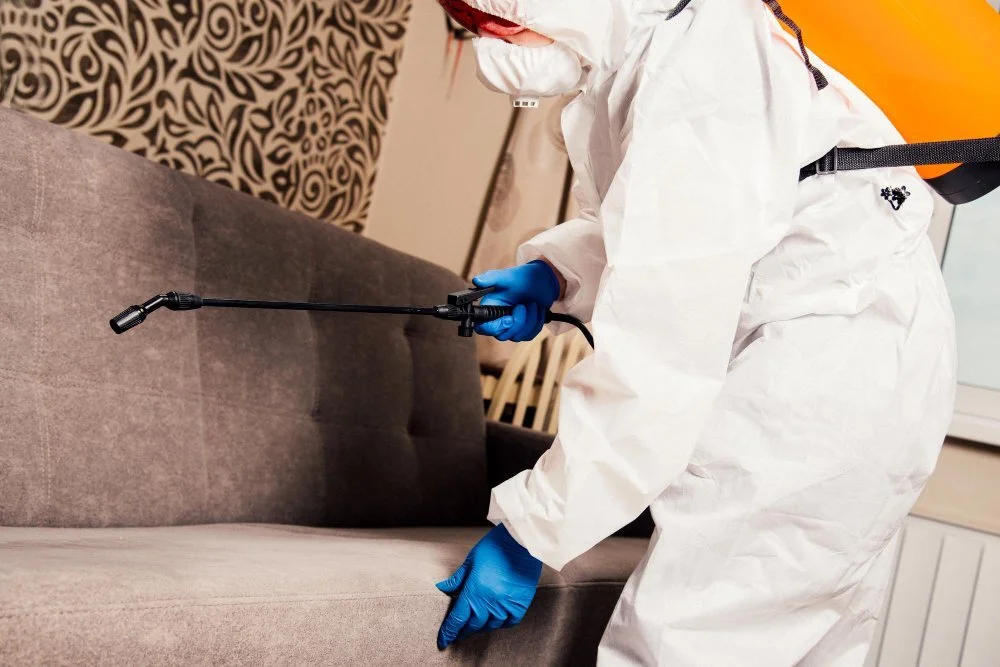
Waking up with itchy red bites is alarming. Spotting tiny rust-colored stains on your sheets is worse. And finding a live bed bug crawling across your mattress? That’s a nightmare no homeowner or renter wants to experience. If you’re dealing with a bed bug infestation in Manhattan, Brooklyn, Queens, the Bronx, Nassau County, Melville, or anywhere across New York City, you’re probably wondering: what exterminators do for bed bugs, and does it really work?
The short answer: professional exterminators do far more than spray a chemical and leave. A licensed bed bug exterminator follows a structured, science-based process designed to eliminate every bed bug—eggs, nymphs, and adults, from your home. Here’s exactly what that process looks like, why it works, and why DIY treatments almost always fail.
Why Bed Bugs Are So Difficult to Eliminate
Before diving into what exterminators do, it’s important to understand why bed bugs are one of the hardest pests to eliminate without professional help.
According to a study published by the National Pest Management Association (NPMA), bed bugs are found in all 50 states, and infestations have increased dramatically over the past two decades. Unlike roaches or ants, bed bugs don’t come into your home looking for food or water—they come for you. They feed on human blood, hide in microscopic cracks during the day, and reproduce rapidly.
A single female bed bug lays between 1 and 5 eggs per day, and up to 500 eggs in her lifetime, according to research from Rutgers University’s Department of Entomology. This means a small infestation can become a building-wide crisis within weeks—especially in dense urban environments like Manhattan apartments, Bronx multi-family buildings, and Nassau County condos.
Over-the-counter sprays and foggers don’t reach the hidden areas where bed bugs live. They kill surface bugs but leave eggs and hidden colonies untouched, causing infestations to return within days. This is exactly why professional exterminators are essential.
Step 1: Thorough Bed Bug Inspection
The first thing a professional exterminator does is conduct a comprehensive inspection of your property. This is far more detailed than a quick visual check.
At Pestonix, our licensed technicians inspect:
- Mattresses and box springs — seams, piping, tags, and handles
- Bed frames and headboards — joints, screw holes, and cracks
- Furniture — sofas, chairs, nightstands, and dressers
- Wall voids and baseboards — where pipes and electrical outlets meet walls
- Behind wallpaper and picture frames
- Carpet edges and flooring gaps
- Closets and clothing storage areas
In older buildings common throughout Brooklyn, the Bronx, and Nassau County, bed bugs often hide inside wall voids and travel between units through shared walls and plumbing. A proper inspection accounts for this spread.
A Harvard Medical School report confirms that bed bugs can survive for months without feeding, meaning even “vacant” rooms can harbor active infestations. Our inspectors know exactly where to look.
Step 2: Accurate Identification & Infestation Mapping
Not every pest is a bed bug. Bat bugs, spider beetles, and booklice are commonly mistaken for bed bugs. Misidentification leads to wrong treatments—wasted money and time.
A professional exterminator confirms the pest species, documents:
- Infestation level (light, moderate, severe)
- Spread pattern (isolated unit vs. multiple rooms or units)
- Entry points and travel routes
- Risk areas for reinfestation
This infestation mapping is critical in dense urban areas like Queens, Manhattan, and New York City apartment buildings, where bed bugs can spread across multiple floors through shared infrastructure.
Step 3: Customized Treatment Plan
Once the inspection is complete, a professional exterminator develops a customized treatment plan based on:
- Pest type and infestation severity
- Property type (apartment, condo, single-family home, commercial)
- Presence of children, pets, or immunocompromised individuals
- Building management requirements
- Tenant schedules and accessibility
There is no one-size-fits-all solution for bed bugs. What works in a Melville single-family home may differ from what’s needed in a Nassau County high-rise or a Bronx multi-unit building. Customization is what separates professional exterminators from generic treatments.
Step 4: Professional Bed Bug Treatment Methods
This is the core of what exterminators do for bed bugs. Licensed professionals have access to treatment methods that are far more effective than anything available over the counter.
Heat Treatment: The Gold Standard
Heat treatment is widely considered the most effective bed bug elimination method available. Professional exterminators raise the temperature of the infested space to between 120°F and 140°F, a range that kills bed bugs at every life stage, including eggs.
According to research published by The Journal of Economic Entomology, bed bugs exposed to temperatures above 113°F for 90 minutes or 118°F for 20 minutes experience 100% mortality. Professional heat equipment reaches and maintains these temperatures throughout the entire treated space—including inside walls, mattresses, and furniture.
Benefits of Heat Treatment:
- ✓ Kills 100% of bed bugs and eggs in a single treatment
- ✓ No chemical residue
- ✓ Safe for families and pets
- ✓ Penetrates walls, furniture, and fabric
- ✓ No need to discard furniture
- ✓ Treatment completed in one day
Pestonix provides professional heat treatment services across Manhattan, Brooklyn, Queens, Nassau County, the Bronx, Melville, and all of New York City.
Chemical Treatment: Targeted & Precise
For certain infestations, chemical treatments using professional-grade pesticides are the most effective approach. Licensed exterminators use products that are:
- Not available to consumers (restricted-use pesticides)
- Applied in targeted areas where bed bugs hide
- Combined with Insect Growth Regulators (IGRs) to stop reproduction
- Safe when applied by certified professionals
Professional chemical treatments typically include:
- Residual sprays applied to baseboards, furniture joints, and wall voids
- Dust treatments in electrical outlets and wall cavities
- Crack and crevice treatments in hidden harborage areas
- Mattress-safe formulations designed for sleeping surfaces
A U.S. Environmental Protection Agency (EPA) guide on bed bug treatment confirms that professional-grade chemical treatments, when combined with non-chemical methods, significantly outperform consumer products.
Steam Treatment — Chemical-Free Precision
Steam treatment uses high-temperature steam (above 212°F) delivered directly to infested surfaces. It’s particularly effective for:
- Mattress seams and tufts
- Upholstered furniture
- Carpet and flooring
- Areas where chemical treatments aren’t appropriate
Steam is often combined with heat or chemical treatments for maximum effectiveness.
Cryonite (Freezing) Treatment
Cryonite treatment uses CO₂ snow to freeze bed bugs instantly. It’s particularly useful for:
- Electronics and sensitive equipment
- Areas where heat or chemicals aren’t practical
- Quick spot treatments in targeted areas
Integrated Pest Management (IPM)
The most comprehensive approach, and what Pestonix uses, is Integrated Pest Management (IPM). IPM combines multiple treatment methods with prevention strategies to eliminate bed bugs and prevent reinfestation.
The Centers for Disease Control and Prevention (CDC) recommends IPM as the safest and most effective approach to pest management, emphasizing targeted treatments that minimize health risks.
Step 5: Targeted Application in Hard-to-Reach Areas
The biggest advantage professional exterminators have over DIY treatments is their ability to reach where bed bugs actually hide.
Exterminators use specialized equipment to treat:
- Inside wall voids — using injection systems and dusts
- Under flooring and behind baseboards
- Inside electrical outlets (where bed bugs commonly hide)
- Mattress and furniture interiors
- Heating and ventilation systems
- Shared wall areas in apartments and condos
This level of precision is why professional treatment works where DIY products fail. In New York City apartments, particularly in older buildings in Brooklyn, the Bronx, Harlem, and Nassau County bed bugs routinely hide inside walls and travel between units. Surface-only treatments don’t solve this problem.
Step 6: Preparation Guidance
Before treatment, professional exterminators provide detailed preparation instructions. Proper preparation significantly improves treatment effectiveness.
Typical preparation includes:
- Washing and heat-drying all bedding, clothing, and linens
- Clearing clutter to allow access to baseboards and furniture
- Vacuuming mattresses and furniture surfaces
- Storing prepared items in sealed bags
- Arranging temporary relocation for pets during certain treatments
Pestonix provides a detailed preparation checklist to all clients across Manhattan, Nassau County, Queens, Melville, and the Bronx to ensure maximum treatment effectiveness.
Step 7: Follow-Up Inspections & Re-Treatment
A single treatment is rarely the end of the process. Professional exterminators schedule follow-up inspections to:
- Verify complete elimination
- Identify any surviving bed bugs or new activity
- Apply additional treatments if needed (included in guarantee)
- Monitor for reinfestation from neighboring units
Follow-up is particularly critical in dense urban environments. A Brooklyn or Manhattan apartment treated today can be reinfested by bed bugs traveling from a neighboring unit within days. Follow-up inspections catch this early before it becomes a new infestation.
Step 8: Prevention Recommendations
The final step of professional bed bug treatment is prevention education. A good exterminator doesn’t just eliminate the current infestation—they help you prevent the next one.
Professional prevention guidance includes:
- How to inspect hotel rooms before sleeping (bed bugs spread through travel)
- Second-hand furniture precautions (a major source of bed bug introduction in NYC)
- Mattress encasements to protect against future infestations
- Interceptor traps to detect early activity
- Building management coordination to prevent spread from neighboring units
- Regular self-inspection routines
This prevention knowledge is especially valuable for New York City residents, where bed bugs are an ongoing community challenge across all five boroughs and surrounding areas like Nassau County and Melville.
How Long Does Bed Bug Treatment Take?
Treatment duration depends on the method and infestation severity:
| Treatment Method | Duration | Effectiveness |
|---|---|---|
| Heat Treatment | 6–8 hours | Single treatment, 100% effective |
| Chemical Treatment | 1–2 hours per visit | 2–3 visits typically needed |
| Steam Treatment | 1–3 hours | Combined with other methods |
| IPM Combination | Varies | Most comprehensive, longest-lasting |
For most Manhattan, Queens, Brooklyn, and Nassau County apartments, Pestonix completes treatment within one day, with follow-up visits scheduled 2–4 weeks later.
Does Professional Bed Bug Treatment Really Work?
So the question is “do exterminators get rid of bed bugs?”
Yes, when done correctly by licensed professionals.
A study by the University of Kentucky, one of the leading research institutions on bed bug control, found that professional treatments using IPM approaches achieve elimination rates significantly higher than consumer products. Heat treatment in particular consistently achieves near-100% elimination in a single treatment when properly executed.
The key word is “properly.” Effective bed bug treatment requires:
- Proper equipment (professional-grade heat systems, not consumer heaters)
- Licensed applicators who know where to treat
- Thorough preparation before treatment
- Follow-up inspections after treatment
This is what Pestonix delivers for every client across our service areas.
What About Bed Bugs in NYC? The Local Challenge
New York City has one of the highest bed bug infestation rates in the United States. According to the NYC Department of Health’s Bed Bug Portal, thousands of bed bug complaints are filed in the city each year, with the highest concentrations in dense residential areas across Manhattan, Brooklyn, Queens, and the Bronx.
Nassau County, Melville, and surrounding Long Island communities aren’t immune either. Bed bugs travel on luggage, clothing, and furniture—and with millions of people commuting between NYC and Long Island daily, infestation risk is high throughout the region.
The cities we serve and their unique challenges:
- Manhattan — Pre-war apartments, high-rises, and dense neighborhoods make structural spread common
- Brooklyn — Brownstones and multi-family buildings create rapid building-wide infestations
- Queens — Diverse housing stock from single-family homes to large apartment complexes
- Bronx — Older housing infrastructure with extensive wall voids where bed bugs travel
- Nassau County — Suburban homes and condos vulnerable to bed bugs from NYC travel
- Melville — Residential communities where hotel and travel-related introductions are common
- New York City — The entire five boroughs require ongoing vigilance and professional monitoring
If you’re in any of these areas and dealing with bed bugs, professional treatment is not optional—it’s essential.
Why Choose Pestonix for Bed Bug Extermination?
When it comes to bed bug control in New York City and surrounding areas, Pestonix stands apart from generic national chains:
✓ NYC-Licensed & Insured Professionals All Pestonix technicians are fully licensed by New York State, EPA-certified, and carry comprehensive insurance.
✓ Advanced Heat Treatment Technology Our professional-grade heat treatment equipment eliminates bed bugs and eggs in a single treatment—no chemicals required.
✓ Serving All NYC Areas We serve Manhattan, Brooklyn, Queens, the Bronx, Nassau County, Melville, and all of New York City with same-day and next-day appointments.
✓ 100% Satisfaction Guarantee If bed bugs return within the guaranteed period, we retreat your property at absolutely no charge.
✓ Apartment & Building Expertise We work with building management and co-op boards to coordinate building-wide treatment and prevention.
✓ Transparent Pricing Free inspections with upfront quotes. No hidden fees, no surprise charges.
Conclusion: Can Exterminators Get Rid of Bed Bugs
Professional bed bug exterminators do far more than spray and leave. The complete process includes:
- Thorough inspection to locate all infestation areas
- Accurate identification and infestation mapping
- Customized treatment plan for your specific property
- Professional treatment using heat, chemical, steam, or IPM methods
- Targeted application in wall voids, furniture, and hidden areas
- Preparation guidance for maximum effectiveness
- Follow-up inspections to verify complete elimination
- Prevention education to stop future infestations
If you’re dealing with bed bugs in Manhattan, Brooklyn, Queens, the Bronx, Nassau County, Melville, or anywhere in New York City, don’t waste time and money on DIY products that won’t solve the problem. Call Pestonix today for a free inspection and let our licensed exterminators eliminate the problem for good.
Don’t let bed bugs take over your home. Call Pestonix, NYC’s trusted bed bug exterminators.