
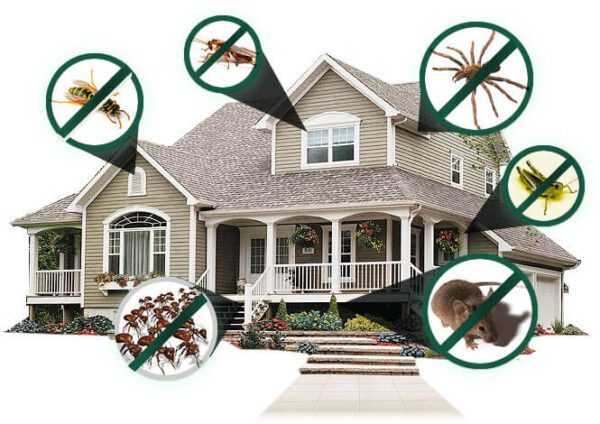
If you are a homeowner in New York or Long Island, you have probably wondered at some point: what is residential pest control, and do I actually need it?
The short answer is yes. Between year-round tick activity, seasonal surges of cockroaches and rodents, mosquitoes in summer, and the ever-present risk of bed bugs, New York and Long Island homeowners face some of the most challenging pest environments in the country.
This guide explains exactly what residential pest control is, what it includes, which pests it targets, and how to choose the right pest control services for your home.
What Is Residential Pest Control?
Residential pest control is a professional service that identifies, eliminates, and prevents pest infestations inside and around private homes. Unlike a basic DIY fix, professional pest control services use trained technicians, licensed products, and structured treatment plans to address the root cause of an infestation — not just the visible symptoms.
A qualified pest control company will inspect your property, identify the specific pests present and where they are entering, then apply targeted treatments to eliminate them and put preventive measures in place so they do not come back.
In New York and Long Island, residential pest control is not a luxury — it is a practical necessity. The combination of dense housing, older building stock, proximity to woodland areas, and a changing climate means pests are a year-round concern for most homeowners and renters across the region.
What Does Residential Pest Control Cover?
The scope of residential pest control services varies depending on the company and treatment plan, but a comprehensive service will typically address the following pests common to New York and Long Island homes:
| Pest | Risk to NY/LI Homes | Season of Peak Activity |
| Ticks (Deer / Blacklegged) | Lyme disease, babesiosis, anaplasmosis | Year-round; peak May–October |
| Mosquitoes | West Nile virus, disease transmission | May–September |
| Cockroaches | Allergens, asthma triggers, food contamination | Year-round (worse in summer) |
| Mice & Rats | Disease, property damage, food contamination | Year-round (surge in fall/winter) |
| Bed Bugs | Itching, sleep disruption, rapid spread | Year-round |
| Termites | Structural wood damage costing thousands | Spring–Summer (swarm season) |
| Ants | Food contamination, property damage | Spring–Summer |
| Fleas | Skin irritation, disease in pets and humans | Spring–Fall |
| Wasps & Bees | Painful stings, allergic reactions | Summer–Fall |
| Spiders | Venom risk (rare), nuisance infestation | Year-round |
How Does a Professional Pest Control Service Actually Work?
Understanding the process helps you know what to expect when you book residential pest control for your home. While every pest control company has its own approach, the industry standard — recommended by the New York State Department of Environmental Conservation (NYSDEC) — is built around Integrated Pest Management (IPM), a science-based strategy that prioritises long-term prevention over repeated chemical application.
- Inspection: A licensed technician inspects the interior and exterior of your property, identifying active pests, entry points, nesting areas, and environmental conditions that are attracting them. This step is the foundation of any effective treatment plan.
- Identification: Not all pests respond to the same treatments. Correctly identifying the species — whether it is a deer tick, a German cockroach, or an Eastern subterranean termite — determines which products and methods will work and which could be ineffective or unnecessarily harmful.
- Customised Treatment: Based on the inspection findings, your technician applies targeted treatments to the specific areas where pests are active. This may include gel baits, liquid sprays, granules, dusts, traps, or exclusion techniques such as sealing cracks and gaps.
- Preventive Barriers: Professional pest control goes beyond eliminating what is there today. Technicians apply preventive barriers — particularly around the perimeter of your home — to stop new pests from entering. This is especially important for ticks, rodents, and ants in New York and Long Island properties with yard access.
- Follow-Up and Monitoring: A quality residential pest control plan includes scheduled follow-up visits to check that treatments are working, monitor for new activity, and re-treat if needed — at no additional cost under most service guarantees.
What Is Integrated Pest Management (IPM)?
If you have been researching pest control services in New York, you will frequently see the term Integrated Pest Management — often abbreviated as IPM. This is the approach mandated for use in schools by New York State law, and it represents the gold standard in responsible, effective residential pest control.
Rather than simply spraying pesticides on a schedule, IPM uses a combination of methods:
- Inspection and monitoring to understand the pest, its lifecycle, and its behaviour in your specific home
- Habitat modification — removing the conditions (food, water, shelter) that allow pests to survive
- Mechanical controls such as sealing entry points, installing door sweeps, and trimming vegetation away from the home
- Biological controls where appropriate, such as tick tubes that use mice’s natural behaviour to kill juvenile ticks before they can bite
- Targeted chemical treatments used only when other methods are insufficient, applied in precise locations with the lowest-risk products effective for the job
IPM-based pest control services are safer for children, pets, and the environment — and typically produce better long-term results because they address the root cause of infestation rather than just the surface symptoms.
Residential Pest Control for Ticks and Mosquitoes in New York & Long Island
For homeowners in New York and Long Island, tick and mosquito control deserves special attention. New York State reported over 17,500 new cases of Lyme disease annually in recent years, with Long Island classified as one of the highest-risk zones for infected blacklegged deer ticks in the entire country.
A comprehensive residential pest control plan from a qualified pest control company serving New York and Long Island will include:
- Targeted tick sprays applied to woodland edges, leaf beds, and shaded perennial areas — not blanket coverage — reducing tick populations by up to 94% when properly timed
- Tick tube placement around yard perimeters to break the tick lifecycle at its source (white-footed mice that carry the Lyme bacteria)
- Mosquito barrier treatments applied to vegetation and resting areas, with follow-up applications throughout the season
- Seasonal scheduling aligned to New York’s pest calendar, mid-May spray for nymph ticks, September/October for adult ticks, and regular mosquito treatments from May through September
Learn more about our dedicated mosquito and tick control service for New York and Long Island at Pestonix.
One-Time Treatment vs. Ongoing Pest Control Plan — Which Do You Need?
One of the first decisions you will make when booking residential pest control is whether you need a one-time treatment or an ongoing service plan. Here is how to think about it:
| One-Time Treatment | Ongoing Pest Control Plan | |
| Best for | Isolated, sudden infestation (e.g. a wasp nest, single rodent entry) | Year-round pests like ticks, roaches, rodents, ants |
| Duration of protection | Short-term (weeks to a few months) | Continuous — typically quarterly or monthly visits |
| Guarantee | Usually 30-day callback guarantee | Unlimited re-treatments between visits |
| Cost | Lower upfront cost | Better value long-term; prevents costly infestations |
| Recommended for NY/LI | Occasional or seasonal issues | Most homeowners given year-round pest pressure |
For most homes in New York and Long Island — where ticks, rodents, and cockroaches are year-round concerns — an ongoing residential pest control plan delivers the best protection and value. Proactive management prevents infestations before they take hold, which is always cheaper and less disruptive than dealing with a full infestation after the fact.
Signs You Need Residential Pest Control Right Now
If you are still unsure whether your home needs professional pest control services, here are the warning signs to watch for:
- Visible pests during daytime — cockroaches, rodents, and ticks seen during daylight hours usually indicate a significant infestation
- Droppings or track marks near walls, under sinks, in cupboards, or in the attic — a clear sign of active rodent activity
- Unexplained bites or rashes after sleeping — a common indicator of bed bugs or fleas
- Tick bites on family members or pets after time in the yard — especially serious in Long Island where Lyme disease risk is high
- Hearing scratching at night inside walls or ceilings — typical of mice or rats nesting
- Finding mud tubes along your foundation or wooden structures — a sign of subterranean termites
- Musty or unusual odours in enclosed spaces — can indicate a large rodent or cockroach infestation
- Structural damage to wood, wiring, or insulation that cannot be explained — rodents and termites are the likely culprits
If you have noticed any of these warning signs, contacting a pest control company as soon as possible will prevent a manageable problem from becoming a serious — and expensive — infestation.
Why NYSDEC Certified Pest Control in New York Matters
Not all pest control companies are equal. In New York State, pest control applicators must be licensed and regulated by the New York State Department of Environmental Conservation (NYSDEC). Choosing a NYSDEC certified pest control in New York professional is not just a legal formality — it is a meaningful quality marker that protects your family.
Here is what NYSDEC certification means in practice:
- Trained and examined. NYSDEC certified applicators have passed state examinations covering pesticide safety, application techniques, pest biology, and environmental regulations.
- Licensed to use professional-grade products. Certified pest control technicians have access to products and application methods not available to the general public — products that are more effective and used at safer, more precise concentrations.
- Legally accountable. NYSDEC certified pest control companies must follow strict regulations around product use, disposal, and record-keeping — giving you legal recourse if standards are not met.
- Ongoing education required. Certified applicators must complete continuing education credits to maintain their licence, ensuring they are up to date with the latest pest control methods, products, and safety guidelines.
- IPM compliance. NYSDEC-regulated applicators are required to follow IPM principles, meaning treatments are targeted, documented, and justified — protecting your family and the environment.
At Pestonix, all of our residential pest control treatments in New York and Long Island are carried out in full compliance with NYSDEC regulations. Our technicians are trained, certified, and committed to delivering effective, responsible pest control services that protect your home and the people in it.
| 🛡 Pestonix: NYSDEC Compliant Residential Pest Control for New York & Long Island
From ticks and mosquitoes to rodents, bed bugs, and cockroaches — Pestonix provides comprehensive residential pest control services tailored to the specific pest challenges of New York and Long Island homes. Visit our residential pest control to learn more or get a free assessment today. |
How to Choose the Right Pest Control Company in New York
With so many pest control companies operating in New York and Long Island, choosing the right one can feel overwhelming. Here are the key factors to look for:
- NYSDEC certification. Always verify that the company holds a valid NYSDEC pest control applicator licence. This is non-negotiable in New York State.
- IPM-based approach. Ask whether the company uses Integrated Pest Management. Companies that rely solely on blanket chemical applications are less effective and less responsible than those using a targeted, evidence-based approach.
- Local knowledge. A company that specifically serves New York and Long Island will understand the local pest species, the seasonal cycles, and the specific risks, like the elevated Lyme disease threat on Long Island — that a national chain may overlook.
- Clear written guarantee. Reputable pest control services will provide a written service guarantee, including free re-treatments if pests return between scheduled visits.
- Transparent pricing. Look for companies that provide clear, itemised quotes before work begins. Avoid those that quote vaguely or add charges after the fact.
- Reviews and track record. Check Google and other review platforms for consistent, recent reviews from local homeowners, not just a handful of old testimonials.